
Durum wheat
Triticum durum Desf.
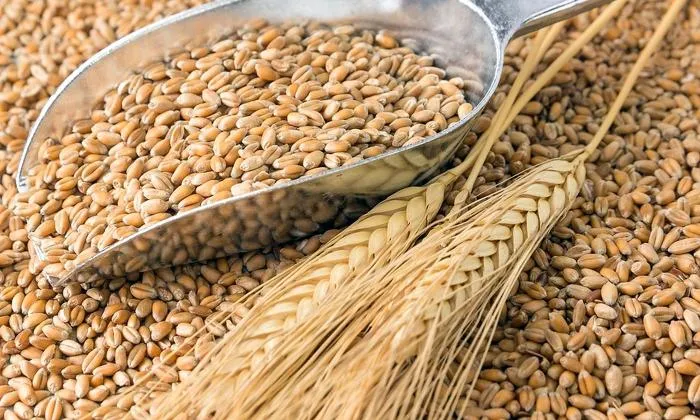
Description
Sowing dates
Durum wheat (Triticum durum Desf.), a member of the Poaceae family, is a spring-sown cereal crop widely recognized for its high protein content.
Sowing typically occurs in early spring once soil temperatures reach a stable 6-8 degrees Celsius, ensuring rapid germination and uniform establishment.
Proper seed placement at a depth of 4-6 cm is essential, especially in semi-arid conditions where moisture conservation in the topsoil is vital.
Seeding rates are adjusted based on the specific variety and soil fertility, generally ranging from 4 to 5 million viable seeds per hectare.
Early sowing is preferred to utilize winter moisture reserves, which helps the crop establish a robust root system before the onset of summer heat.
Growing requirements
Durum wheat is distinctly adapted to continental climates, thriving in regions with high solar radiation and warm temperatures during the grain filling stage.
The crop prefers well-drained, fertile soils, particularly chernozems and chestnut soils with a neutral pH, and performs poorly in acidic or waterlogged environments.
Water demand peaks during the stem elongation and heading phases, making irrigation or rainfall patterns during these periods critical for yield stability.
It is notably heat-tolerant compared to other wheat types, which allows for consistent yields in drier regions that would be unsuitable for soft wheat varieties.
A balanced supply of macro and micronutrients is required, with a particular focus on nitrogen management to ensure the desired protein levels for pasta production.
Yield
Under optimal agronomic conditions, durum wheat can produce yields ranging from 2.5 to 4.5 metric tons per hectare.
Yield components are heavily dependent on tiller development and the number of grains per spike, both of which are managed through precision fertilizer applications.
Modern intensive farming techniques, including the use of high-yield varieties and controlled nutrient management, allow producers to maximize profit margins.
The end-quality of the grain, particularly its vitreousness and protein percentage, is as important as the gross yield for marketability.
Crop rotation with legumes or fallow periods is highly recommended to maintain soil fertility and break disease cycles, supporting overall production.
Main diseases and pests
Durum wheat is susceptible to a range of pathogens, with fungal diseases like leaf rust, stem rust, and loose smut being the most prevalent in humid seasons.
Effective pest management includes seed treatments and systematic fungicide applications during critical growth stages to protect the developing grain.
Insects such as the wheat stem sawfly and various species of aphids can cause significant damage if not monitored and treated during the early growth stages.
- Fusarium head blight
- Septoria tritici
- Wheat stem sawfly
- Cereal aphids
- Powdery mildew
Harvesting
Harvesting is conducted when the grain reaches full maturity and moisture content drops below 14-15%, ensuring high quality and shelf stability.
Direct combining is the preferred method, provided the machinery is calibrated to minimize grain cracking, which is a major quality issue for semolina processors.
Delayed harvesting can lead to grain bleaching or weathering, which reduces the end-product's color and texture, making the timing of the harvest crucial.
Post-harvest handling, including cleaning and proper aeration in storage, is necessary to maintain the grain's premium quality for the pasta industry.
The vitreous nature of durum wheat makes it durable, but mechanical handling must remain precise to preserve the integrity of the grain kernels.