
Oxytropis
Oxytropis
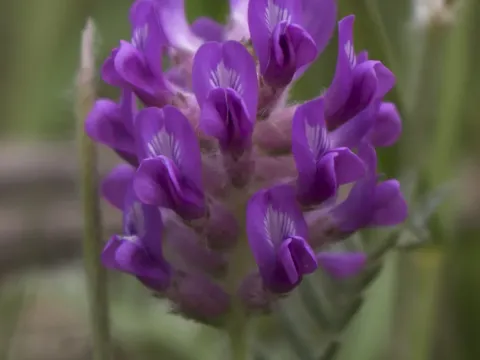
Oxytropis is a genus of perennial herbaceous plants belonging to the family Fabaceae. Characterized by a deep taproot and a rosette growth habit, these plants are well-adapted to harsh environmental conditions.
What the section contains
 Alpine Oxytropis
Oxytropis albana
Alpine Oxytropis
Oxytropis albana
 Amethyst locoweed
Oxytropis amethystea
Amethyst locoweed
Oxytropis amethystea
 Blue oxytrope
Oxytropis caerulea
Blue oxytrope
Oxytropis caerulea
 Carpathian locoweed
Oxytropis carpatica
Carpathian locoweed
Oxytropis carpatica
 Dinaric oxytrope
Oxytropis dinarica
Dinaric oxytrope
Oxytropis dinarica
 Gaudins oxytrope
Oxytropis gaudinii
Gaudins oxytrope
Oxytropis gaudinii
 Hairy oxytrope
Oxytropis pilosa
Hairy oxytrope
Oxytropis pilosa
 Jacquin's oxytrope
Oxytropis jacquinii
Jacquin's oxytrope
Oxytropis jacquinii
 Japanese locoweed
Oxytropis japonica
Japanese locoweed
Oxytropis japonica
 Lapland locoweed
Oxytropis lapponica
Lapland locoweed
Oxytropis lapponica
 Oxytropis bicolor
Oxytropis bicolor
Oxytropis bicolor
 Oxytropis dasypoda
Oxytropis dasypoda
Oxytropis dasypoda
 Oxytropis fetida
Oxytropis fetida
Oxytropis fetida
 Oxytropis foucaudii
Oxytropis foucaudii
Oxytropis foucaudii
 Oxytropis megalantha
Oxytropis megalantha
Oxytropis megalantha
 Oxytropis neglecta
Oxytropis neglecta
Oxytropis neglecta
 Oxytropis pallasii
Oxytropis pallasii
Oxytropis pallasii
 Oxytropis prenja
Oxytropis prenja
Oxytropis prenja
 Oxytropis psammocharis
Oxytropis psammocharis
Oxytropis psammocharis
 Oxytropis strobilacea
Oxytropis strobilacea
Oxytropis strobilacea
 Sickle milkvetch
Oxytropis falcata
Sickle milkvetch
Oxytropis falcata
 Three-flowered oxytrope
Oxytropis triflora
Urumov's Oxytropis
Oxytropis urumovii
Three-flowered oxytrope
Oxytropis triflora
Urumov's Oxytropis
Oxytropis urumovii
Oxytropis
The genus has a vast distribution range, primarily across the temperate and alpine regions of the Northern Hemisphere. They are frequently found in mountainous and tundra ecosystems, demonstrating high frost resistance.
In agricultural settings, Oxytropis is valued for its ability to thrive on poor, gravelly, or sandy soils. It is highly resistant to drought and can survive in nutrient-deficient areas where other crops would fail.
The primary soil requirement for successful cultivation is excellent drainage. The plants are extremely sensitive to waterlogging and anaerobic conditions, which can lead to root rot and complete stand loss.
Oxytropis species are known for their symbiotic relationship with nitrogen-fixing bacteria. This biological feature significantly improves soil nitrogen levels, contributing to the fertility of pastures and restoration of degraded landscapes.
The primary agricultural use of Oxytropis is as a high-protein forage crop for livestock. It provides essential nutrition, especially in alpine or arid regions where conventional legumes are difficult to grow.
For optimal forage quality, harvesting should occur during the early flowering stage. Delaying the harvest beyond this point results in a substantial decrease in leaf protein content and overall palatability.
Oxytropis is highly resilient to cold stress and retains its nutritional value throughout the late summer and early autumn, making it an excellent component for extended grazing systems.
Seed production requires careful management due to uneven maturation of the legumes. Mechanical harvesting should be timed precisely to capture the peak yield before the pods begin to dehisce.
Farmers should conduct thorough inspections for any toxicity issues, as certain species of the genus may contain swainsonine or other alkaloids that can impact animal health if consumed in large quantities.