
Oxytropis strobilacea
Oxytropis strobilacea
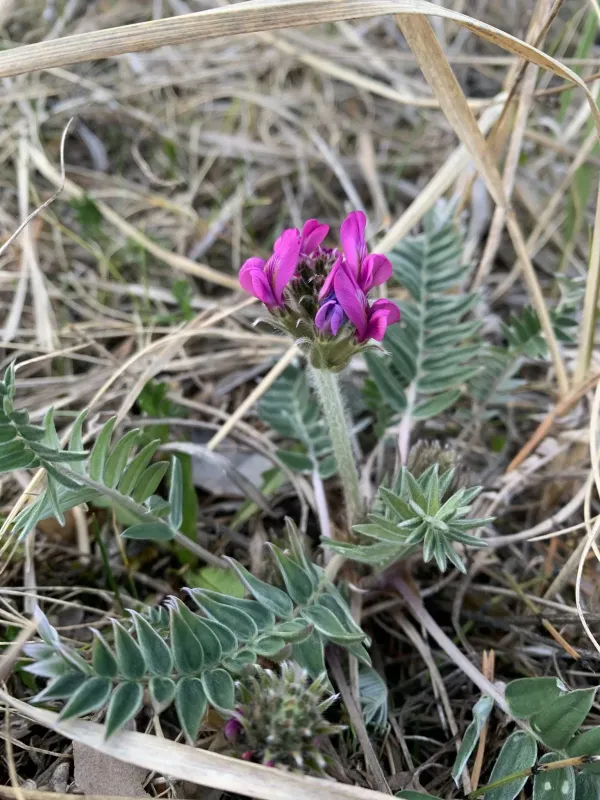
Description
Growing requirements
Oxytropis strobilacea is a perennial herbaceous plant belonging to the Fabaceae family. It is a highly resilient species, well-adapted to the extreme environmental conditions found in its native alpine and steppe habitats.
The plant originates from the high-altitude regions of the Altai and Sayan Mountains, where it thrives on rocky slopes, screes, and arid stony soils. Its morphological structure, characterized by a deep taproot, allows it to anchor firmly in loose, rocky substrates.
Botanically, this species is noted for its condensed, cone-like inflorescences and shortened stems, which help protect the plant from harsh, drying winds and intensive solar radiation characteristic of high-elevation ecosystems.
Oxytropis strobilacea requires high levels of solar exposure and demonstrates exceptional drought tolerance. It is capable of surviving long periods without rainfall, utilizing its physiological adaptations to maintain cellular metabolism under water-stress conditions.
Cultivation requirements focus on well-drained, airy soils. Because this species has evolved in dry conditions, it is highly sensitive to waterlogging, which can trigger root system failure and inhibit its development.
Yield
The agricultural value of Oxytropis strobilacea is primarily attributed to its use as forage for livestock grazing in mountainous regions. It provides a reliable source of high-quality protein and minerals for sheep and yaks where standard forage crops fail.
In addition to its role as feed, this plant acts as an excellent soil stabilizer. Its dense root system helps prevent erosion on steep slopes, making it a valuable candidate for land reclamation and restoration of degraded pastures.
The yield of green biomass depends on the length of the growing season and the intensity of grazing. Under sustainable management practices, the plant can provide a steady supply of fodder throughout the summer months without exhausting its resources.
Researchers are currently evaluating the potential of integrating this species into broader legume mixtures for arid regions. Its nitrogen-fixing capability through symbiotic bacteria makes it an essential component for improving soil fertility in nitrogen-poor environments.
By promoting the growth of this species, land managers can effectively improve the productivity of marginal grazing lands, ensuring a sustainable food supply for livestock while maintaining the ecological balance of the highland meadows.
Main diseases and pests
The primary threats to the health of Oxytropis strobilacea are fungal pathogens, particularly root rot, which typically manifest in conditions of high humidity or poor soil drainage. Maintaining proper site conditions is critical to prevent these infections.
Pests that target legumes, such as leaf-eating insects, may occasionally affect the plant's foliage. However, in its natural environment, the plant often maintains natural resistance levels that prevent widespread outbreaks.
Climatic risks such as sudden spring frost can damage developing tissues. Nevertheless, the species possesses robust regenerative mechanisms, allowing it to recover from the dormant buds situated at the root collar.
Effective management requires monitoring for signs of stress or pathogen proliferation. Providing good airflow and avoiding over-compaction of the soil helps in minimizing the risk of systemic diseases in the field.
For seed production sites, careful attention must be paid to phytosanitary measures. Ensuring high genetic purity and monitoring for potential stressors helps maintain the yield potential of this hardy mountain legume.