
Japanese locoweed
Oxytropis japonica
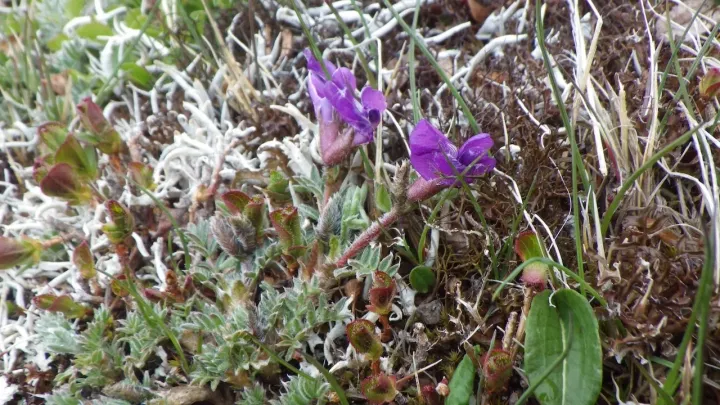
Description
Growing requirements
Japanese locoweed (Oxytropis japonica) is a perennial herbaceous plant belonging to the Fabaceae (legume) family. Its natural distribution spans across East Asia, where it thrives in open, rocky, and sandy terrains, demonstrating high environmental adaptability.
This species is characterized by a robust taproot system, which enables it to withstand drought conditions and survive in nutrient-poor substrates. It is well-suited for temperate climates and exhibits strong resistance to extreme winter temperatures.
Cultivation requires well-drained, porous soils with a neutral or slightly alkaline pH. Excessive moisture or heavy clay soils are detrimental to the plant, as they increase the risk of root rot and inhibit proper development of the symbiotic root bacteria.
Inoculation with specific nitrogen-fixing bacteria is often recommended when introducing the plant into new areas to maximize nitrogen fixation efficiency. This symbiosis is a key factor in the plant's ability to flourish in suboptimal soil conditions.
Japanese locoweed is highly photophilous and requires full sun exposure throughout the growing season. Shading from taller competitive vegetation significantly reduces the vigor and yield of the stand, making site selection critical for successful establishment.
Yield
The primary agricultural use of this plant is as a high-protein forage crop. Its biomass is rich in essential nutrients and minerals, contributing to balanced livestock diets when managed correctly in pastures and hay meadows.
Yield stability is a notable trait, with the plant maintaining consistent vegetative biomass for several years after establishment. It is highly valued for its ability to regenerate quickly after harvest under favorable moisture conditions.
Seed production is highly dependent on the presence of local pollinators, such as bumblebees. Yield variations in seed harvest are often observed depending on meteorological conditions during the flowering phase, which dictates the frequency and success of pollination.
Beyond forage, the plant serves as a valuable tool for soil stabilization and phytoremediation in eroded landscapes. Its long-lasting root system binds soil particles, preventing water and wind erosion in sensitive mountain or coastal regions.
Future development of the crop may include its utilization in the pharmaceutical industry, as various Oxytropis species are known to contain bioactive compounds with potential medical applications in traditional veterinary and human medicine.
Main diseases and pests
Fungal diseases, specifically powdery mildew and rust, represent the primary phytopathological threats. These infections are typically exacerbated by high air humidity and poor ventilation within dense or improperly sown fields.
Root rot, often caused by pathogens in the soil, is a critical issue in poorly drained fields. Management strategies should prioritize site drainage and proper crop rotation to break the disease cycle and improve plant health.
Weevil populations, particularly those feeding on leaves and developing seeds, can cause significant damage. Monitoring during the bud formation phase is necessary to determine if intervention is required to protect the potential seed yield.
Aphids can cause stress in younger plants during dry spells, leading to stunted growth and reduced vigor. Integrated pest management, focusing on biological controls, is preferred over broad-spectrum pesticides to preserve pollinator populations.
Nematode infestations can lead to decline in stand longevity and biomass production. Maintaining healthy soil structure and avoiding monocropping of legumes are essential practices to minimize the impact of soil-borne pests on the crop.