
Oxytropis pallasii
Oxytropis pallasii
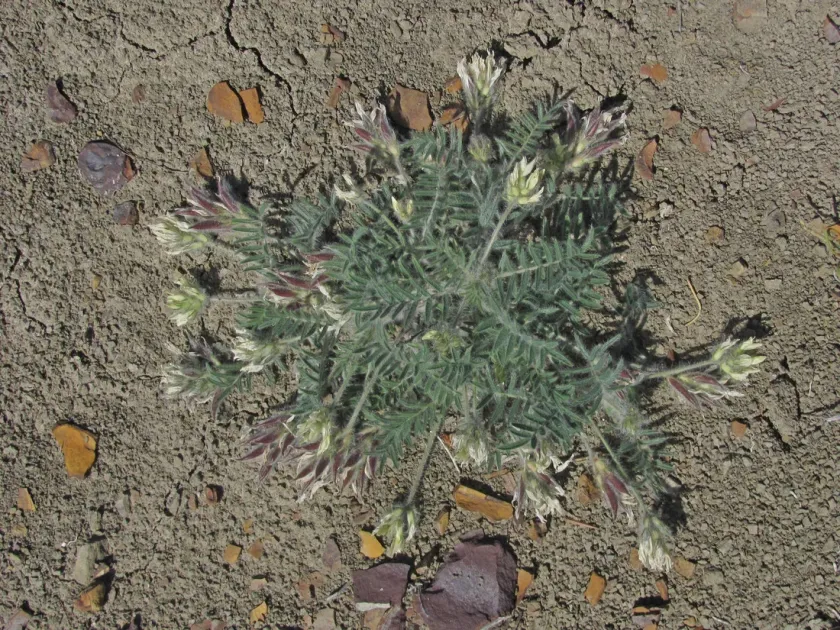
Description
Growing requirements
Oxytropis pallasii is a perennial herbaceous plant belonging to the legume family (Fabaceae). It is recognized for its ability to thrive in challenging environments, showing strong resilience to climatic stress.
The crop prefers well-drained, sandy or light-textured soils. Its deep taproot system allows it to access water reserves that are unreachable by many other forage or cover crops, ensuring stability during droughts.
As a light-demanding species, Oxytropis pallasii requires open, sunny locations for optimal growth and development. It does not tolerate shade or high air humidity, which can lead to reduced plant vigor.
In terms of agricultural utility, the plant is valued for its soil-enriching properties. Through nitrogen fixation, it contributes to the recovery of degraded landscapes and improves the nitrogen balance in the soil profile.
The botanical structure, characterized by pinnate leaves and terminal racemes, is optimized for survival in harsh habitats. This plant is a significant component of biodiversity in its native ranges.
Main diseases and pests
Fungal pathogens such as rusts and mildews pose the most significant threat to the crop, especially in seasons with high precipitation levels. Improving air circulation around the plants is key.
Insect pests, including various species of weevils that target legume crops, can damage both foliage and developing seeds. Regular field monitoring is essential for timely intervention.
Root rot is a major physiological challenge caused by waterlogging. Selecting sites with excellent permeability is the most effective cultural practice to mitigate this risk.
Weed competition during the seedling stage is critical for the establishment of the stand. Manual or mechanical weeding is highly recommended to give the crop an advantage.
Small mammals and rodents may sometimes cause damage to the roots or stems in early spring, requiring appropriate deterrent measures if populations are high in the local area.