
Carpathian locoweed
Oxytropis carpatica
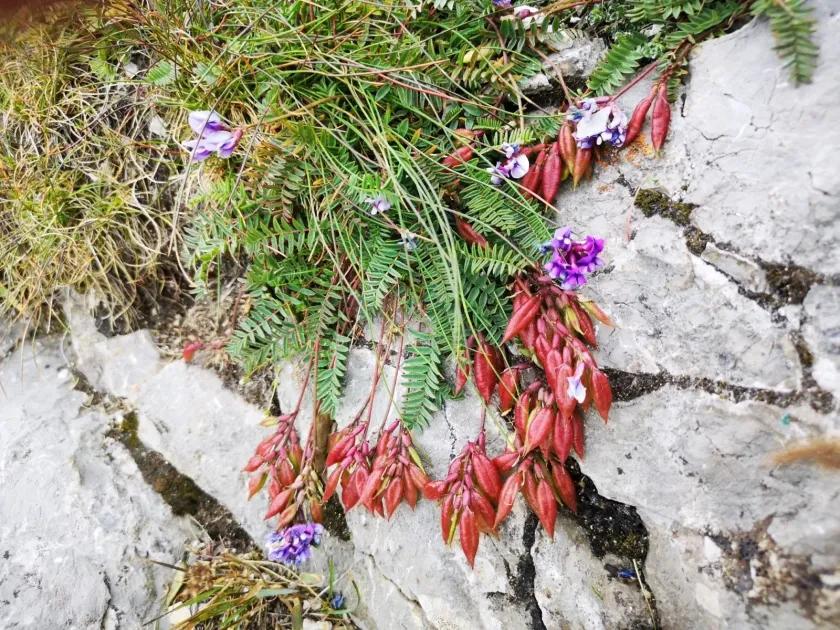
Description
Growing requirements
Carpathian locoweed (Oxytropis carpatica) is a distinctive member of the Fabaceae family. This plant is a true alpine perennial, native to the rugged terrains of the Carpathian Mountains.
The species thrives in subalpine and alpine meadow zones. It requires high solar radiation and well-aerated conditions, which are typical for high-altitude environments where it grows in dense cushions.
Regarding soil requirements, it favors stony or rocky substrates with excellent drainage properties. It is highly sensitive to waterlogging, as the root system is adapted to rapidly percolating mountain soils.
Botanically, it features pinnate leaves and specialized flowers that are adapted to pollination by mountain-dwelling bees. The growth cycle is relatively slow, allowing the plant to persist in harsh climate zones.
Cultivation attempts require strict adherence to environmental conditions. Providing a substrate with a low nutrient content but high mineral composition is often necessary to mimic the natural alpine habitat.
Main diseases and pests
The primary threat to the species is habitat fragmentation caused by tourism and alpine infrastructure development. Physical disturbance of the soil surface poses a direct risk to the population.
Fungal diseases like root rot and powdery mildew are prevalent in areas with high humidity or poor air circulation. These diseases can devastate smaller populations if left unmonitored.
Insects, particularly weevils, pose a significant threat to the plant's reproductive success. By feeding on flower buds and developing seeds, they can severely limit the natural regeneration of the species.
Overgrazing by sheep and cattle remains a major pressure in many parts of its range. Trampling leads to soil compaction, which the plant cannot tolerate due to its specific aeration needs.
Climate change poses a long-term threat by altering the competitive balance between the locoweed and more aggressive meadow grasses. Protecting the natural integrity of alpine ecosystems is essential for its survival.