
Oxytropis fetida
Oxytropis fetida
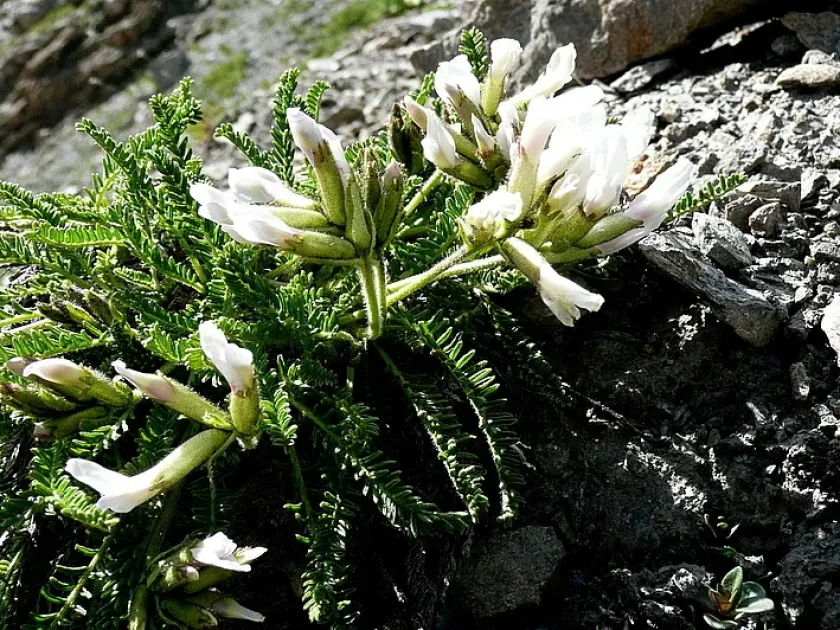
Description
Growing requirements
Oxytropis fetida is a perennial herbaceous plant belonging to the Fabaceae family. It is specifically adapted to the harsh, nutrient-poor conditions found in high-altitude mountain ranges.
The plant is characterized by its compact growth form, which protects it from the strong winds and cold temperatures typical of its native environment in Central Asia.
The botanical structure consists of pinnate leaves arranged in a basal rosette, providing a mechanism for efficient moisture retention in the dry alpine air.
It thrives in rocky soils and scree slopes, which provide the excellent drainage required to prevent root rot during the occasional mountain rain events.
Climatically, the species is a true specialist, requiring significant diurnal temperature fluctuations to trigger its reproductive phases throughout the short growing season.
Main diseases and pests
The primary threats to Oxytropis fetida in the wild include specialized high-altitude insects that feed on its leaves and developing flower buds despite chemical defenses.
Fungal pathogens represent a significant risk when ecological balance is disrupted, particularly species that target the root system in poorly aerated environments.
Competition from more aggressive alpine plant species can lead to a reduction in the population density of this plant in disturbed or overgrazed areas.
Overgrazing by livestock remains a persistent threat, as it reduces the plant's ability to store sufficient energy in its root system for overwintering.
Climate change and the shifting of alpine vegetation belts pose a long-term threat to the survival of the species within its naturally restricted habitat.