
Oxytropis prenja
Oxytropis prenja
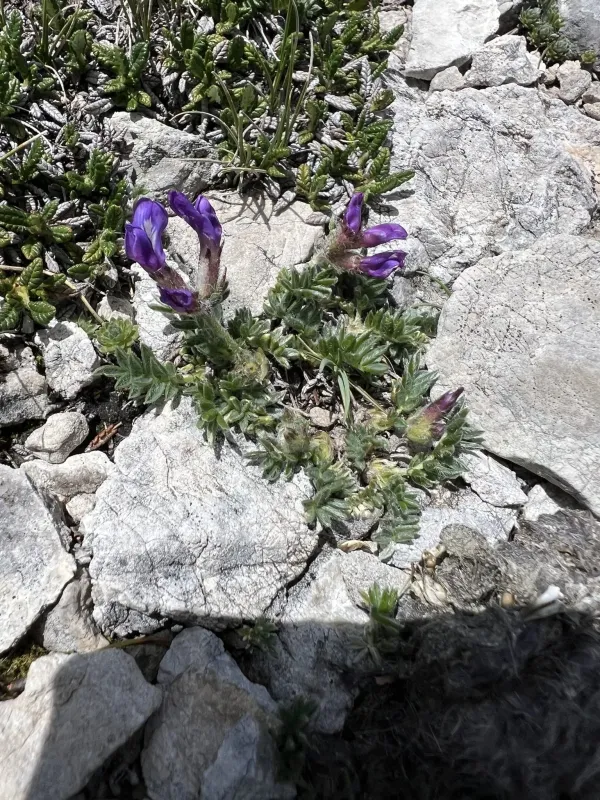
Description
Sowing dates
Oxytropis prenja belongs to the Fabaceae family and thrives in specialized ecosystems where seed propagation is the primary method of reproduction.
In agronomic practice, sowing is recommended either in late autumn or early spring following a necessary period of cold stratification.
Given the hard-coated nature of the seeds, scarification is essential to ensure uniform and rapid germination rates under field conditions.
The seeds should be sown at a shallow depth of approximately 1 to 2 centimeters to provide sufficient light and oxygen for the emerging seedlings.
Early-stage development is characterized by slow shoot growth as the plant prioritizes the establishment of a robust, deep taproot system.
Growing requirements
As a mountain-origin species, this crop requires substrates with excellent drainage and high porosity to prevent root system suffocation.
It performs optimally in well-lit, sunny environments where soil moisture can be controlled to avoid waterlogging during the growing season.
The plant is highly adapted to nutrient-poor, rocky, or gravelly soils where it exhibits significant resilience compared to common forage crops.
The species possesses high winter-hardiness, allowing it to withstand extreme temperature fluctuations and harsh climatic conditions effectively.
For successful cultivation, maintaining a neutral or slightly alkaline soil pH is crucial for nutrient uptake and overall plant vitality.
Main diseases and pests
Root rot, driven by stagnant water and poor soil aeration, represents the most significant phytosanitary risk to the development of this species.
In humid conditions, foliage may become susceptible to powdery mildew, which can reduce the photosynthetic area and overall plant health.
Insects such as weevils represent a serious threat during the flowering and seed-setting stages, causing direct damage to the developing pods.
Aphid infestations can weaken younger plants, often serving as vectors for viral diseases that further reduce the productivity of the culture.
Management strategies should focus on maintaining adequate spacing between plants to improve airflow and reduce humidity around the plant canopy.