
Oxytropis neglecta
Oxytropis neglecta
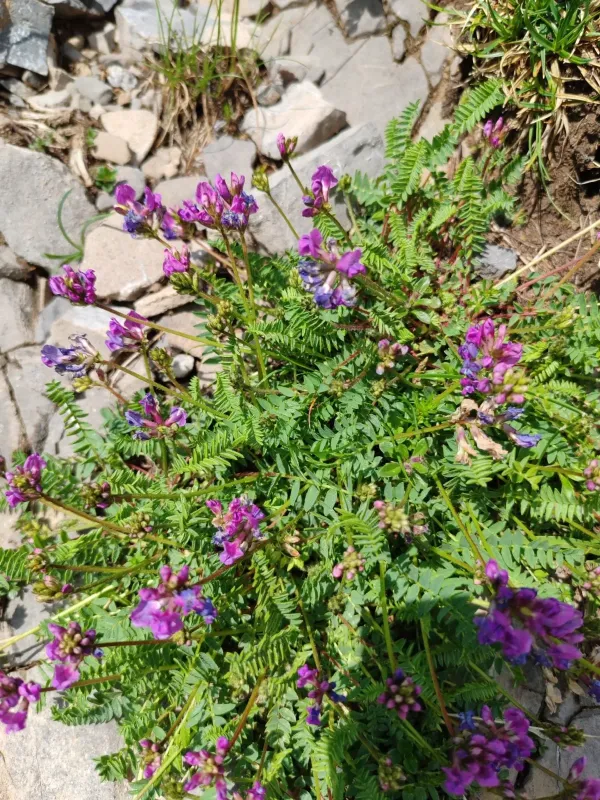
Description
Sowing dates
Oxytropis neglecta is a perennial legume known for its hardiness and adaptability to harsh environments. Successful cultivation begins with seed selection, as the seeds often possess a hard seed coat that requires scarification for optimal germination.
The best time for sowing is early spring when the soil temperature begins to rise and moisture levels are adequate. This timing allows the plants to establish a robust root system before the onset of extreme summer conditions.
The seeds should be sown at a shallow depth of 1–2 centimeters. Using a seed drill helps ensure consistent depth and spacing, which prevents overcrowding and competition between individual plants during the early vegetative phase.
In the first year, growth may be slow as the plant invests energy into developing its taproot. Farmers are encouraged to keep the area free of weeds during this critical establishment period to ensure the young plants survive.
Once established, the crop is relatively low-maintenance. Regular monitoring of emergence density is advisable to determine if additional over-seeding is required to reach the desired plant population per hectare.
Growing requirements
This species is highly adapted to high-altitude or arid steppe climates. It exhibits excellent cold tolerance, making it suitable for regions where more sensitive legumes would likely fail during winter.
The plant thrives in well-drained, stony, or sandy soils. It is not particularly demanding regarding soil fertility, which makes it an excellent candidate for reclaiming degraded lands or marginal agricultural areas.
Sunlight is critical for the development of Oxytropis neglecta. It should be planted in areas with full sun exposure, avoiding shadowed areas or dense brush that might inhibit its growth and flowering cycle.
Soil pH levels should be maintained in the neutral to slightly alkaline range. While the plant is drought-tolerant, its yield is significantly improved when there is consistent rainfall during the early spring vegetative growth phase.
Being a legume, it contributes to nitrogen fixation in the soil. This biological nitrogen fixation reduces the need for synthetic nitrogen fertilizers, supporting more sustainable and eco-friendly farming practices.
Yield
The primary use of Oxytropis neglecta is as a source of forage. Its biomass is rich in essential nutrients, providing a valuable food source for ruminants in areas where high-quality fodder is scarce.
Yield capacity is largely determined by environmental variables, particularly water availability. While not producing the massive yields of alfalfa, it offers consistent productivity in environments where traditional crops cannot survive.
Seed production requires careful management due to the natural tendency of the pods to dehisce upon ripening. Harvest should be timed carefully, often involving specialized equipment to minimize mechanical seed loss.
Grazing management is crucial. Overgrazing can deplete the plant's carbohydrate reserves in the root system, potentially leading to stand thinning and reduced productivity in subsequent growing seasons.
The plant also serves as a soil stabilizer. Its deep roots help prevent erosion on slopes, making it a functional component in land conservation projects alongside its primary agricultural role.
Main diseases and pests
Fungal pathogens represent the most common threat to the health of the crop. Leaf spots and rusts can develop if the planting density is too high or if ventilation within the canopy is insufficient.
Insect pests, specifically weevils, can target the growing points and seed-bearing organs. Early detection through regular field scouting is essential to intervene with appropriate integrated pest management strategies.
Root rot can occur in areas with poor drainage or excessive water accumulation. Ensuring proper soil preparation and avoiding waterlogged sites is the most effective preventative measure against these diseases.
Competition from invasive plant species can be a major challenge. Regular mechanical weeding or controlled mowing cycles are necessary to prevent weed encroachment from reducing the vigor of the legume stand.
Maintaining a balanced ecosystem within the field helps keep pest populations under control. Avoiding excessive chemical pesticide use protects the natural pollinators and beneficial insects that support the crop's reproduction.