
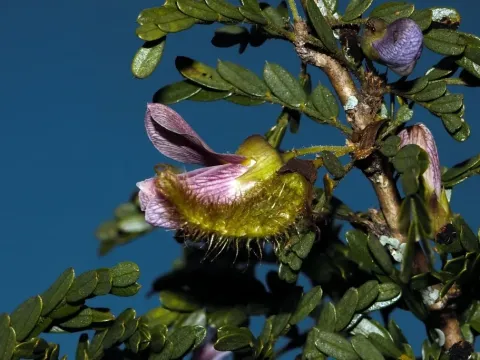
Ormocarpum
Ormocarpum
Ormocarpum is a genus of tropical shrubs and trees primarily found in wild habitats, meaning standard commercial sowing protocols are often adapted from nursery-based practices. Seeds should be sown at the beginning of the rainy season to capitalize on naturally high soil moisture levels.
What the section contains


Ormocarpum
Seed pretreatment is essential, as the hard seed coat typically requires scarification to ensure uniform and efficient germination. Seeds are usually placed in well-aerated nursery trays before being transplanted to the main field once they reach a sturdy size.
Spacing is a critical factor for long-term health; plants should be set roughly two meters apart to prevent overcrowding. Adequate space ensures sufficient airflow and reduces the competition for nutrients and sunlight between individual specimens.
Seedlings are best established in containers under partial shade before being acclimated to full sun conditions. This gradual transition helps the young plant develop a robust root system capable of enduring the harsh tropical sun.
Vegetative propagation via cuttings is a viable alternative to seeding, especially for maintaining specific phenotypic traits. Cuttings are typically taken from healthy, semi-hardwood stems and rooted in a sterile, humid medium.
As a member of the Fabaceae family, Ormocarpum thrives in tropical and subtropical regions characterized by seasonal rainfall patterns. The plants are remarkably resilient, showing high tolerance for dry spells after the establishment phase.
The ideal soil profile for this genus is well-drained, sandy to sandy-loam texture. Waterlogged soils are detrimental to the roots, often causing rot and rapid decline; therefore, selecting slightly elevated planting sites is a best practice for cultivators.
Sunlight requirements are high, with the species performing best under full solar exposure. Adequate light is necessary to stimulate the metabolic pathways responsible for producing the bioactive compounds found in the bark and roots.
Temperature range is important, with the plant preferring stable tropical warmth between 25 and 30 degrees Celsius. While it can survive brief cool periods, consistent frost is fatal, limiting successful cultivation to strictly frost-free zones.
As nitrogen-fixing legumes, Ormocarpum plants rely on symbiotic relationships with Rhizobium bacteria to acquire nitrogen. Consequently, heavy nitrogen fertilization is unnecessary and can be counterproductive, potentially disrupting the natural microbial balance in the soil.
The economic output of Ormocarpum is centered on the medicinal harvest of its bark and root system. Sustainable yields typically begin after the plants reach four to five years of maturity, ensuring the shrubs have sufficient biomass to recover from harvesting.
Annual yields of dried bark vary depending on the plant's health and density, with well-maintained shrubs providing a consistent supply of secondary metabolites. Selective harvesting is employed to ensure the survival of the individual plant for future seasons.
Optimizing yield involves precise management of soil nutrients, specifically phosphorus and potassium, which support woody growth and metabolic activity. Regular pruning helps maintain a balance between structural integrity and the development of new, harvestable bark.
Post-harvest processing is crucial for maintaining quality; the harvested material must be dried in ventilated, shaded conditions. Direct sunlight during drying can degrade the complex organic compounds essential for the plant's medicinal value.
The industry currently relies on a blend of wildcrafting and small-scale cultivation, with ongoing efforts to improve yield stability through selective breeding. Monitoring growth rates per hectare allows for sustainable management of plantations.
Root rot is the most significant threat to Ormocarpum, particularly when heavy rains coincide with poor soil drainage. Maintaining excellent soil structure and avoiding irrigation stagnation is the most effective preventative strategy against this disease.
Insect pests, such as wood-boring beetles, can weaken the primary stem and decrease the plant's vitality. Early detection through regular field inspections allows for mechanical removal of infested branches before the infestation spreads significantly.
Defoliating insects can be problematic during the peak growing season, reducing the leaf area available for photosynthesis. Biological controls, such as beneficial insects or neem-based applications, are preferred to maintain the health of the soil microbiome.
Powdery mildew may occur if planting density is too high or if the canopy becomes excessively humid. Ensuring adequate spacing and practicing proactive pruning are standard agricultural measures to minimize the incidence of fungal pathogens.
Viral infections, while infrequent, require strict sanitation of all tools. Disinfecting pruners and harvesting equipment between plants is a vital protocol to prevent the transmission of pathogens across the entire cultivation area.