
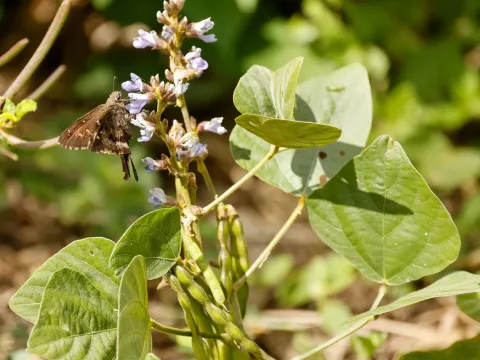
Pachyrhizus
Pachyrhizus
Pachyrhizus, widely known as jicama, is a tropical crop that requires a long frost-free growing season. In temperate regions, seeds should be started indoors 8 to 10 weeks before the last expected spring frost to ensure the plants have enough time to establish.
What the section contains


Pachyrhizus
When sowing directly into the field, the soil must be warmed to at least 18–20 degrees Celsius. Seeds should be planted at a depth of 2–3 centimeters, providing sufficient moisture to trigger germination in the warm soil.
Because jicama is a vining plant, it requires significant spacing to thrive. Rows should be spaced about 90 centimeters apart, with individual plants placed 30 centimeters from one another to ensure adequate airflow and ease of management.
A critical agronomic practice is the removal of flower buds as soon as they emerge. By preventing the plant from setting flowers and pods, the grower ensures that energy is redirected into the development of a large, succulent tuberous root.
As a crop originating from Central America, it is highly sensitive to cold weather. Even minor frost can be lethal, so sowing schedules must be strictly aligned with local climate data to avoid temperature drops during the early growth phase.
Pachyrhizus thrives in light, well-draining sandy or loamy soils with a neutral to slightly acidic pH. Heavy clay soils are unsuitable, as they restrict root expansion and often result in misshapen, tough, or woody tubers.
The crop requires full sun for optimal development. While it can tolerate partial shade, exposure to 6–8 hours of direct sunlight per day is essential for maximizing tuber size and sugar accumulation within the root.
Water management must be balanced; the soil should be kept consistently moist but never waterlogged. Excessive moisture often leads to root rot, while prolonged drought stress significantly hinders the growth rate and reduces the overall yield.
Incorporating organic matter such as compost during soil preparation is highly beneficial. However, nitrogen-heavy fertilizers should be avoided after the initial growth stage, as excess nitrogen promotes excessive foliage at the expense of root production.
Since the plant is a vigorous climber, providing a trellis or supportive structure is recommended. This practice improves light penetration, simplifies weeding, and prevents the leaves from resting on damp soil, which lowers the incidence of fungal diseases.
In optimal tropical conditions, Pachyrhizus is a high-yielding crop, with individual tubers capable of reaching several kilograms in weight. The roots are prized for their crisp texture and mild, slightly sweet flavor profile.
In cooler, temperate climates, the harvest volume is generally lower due to the shortened vegetative cycle. However, using high tunnels or row covers can help extend the season, allowing for the harvest of marketable tubers weighing 500g to 1kg.
The economic value of the crop is centered on the tuber, which is often used in fresh salads or stir-fries. While the plant produces pods, these are usually discarded in agricultural practice in favor of prioritizing the root system's health.
The storage potential of jicama is a major advantage for commercial farmers. Once harvested and properly cured, the tubers can remain fresh for several months in a cool environment, allowing for extended supply chains.
Maximum productivity is typically achieved in soils with high potassium levels, which supports the storage of starch and natural sugars within the root, directly impacting the final quality of the harvested product.
Root rot is the most common threat to Pachyrhizus, often triggered by poor drainage or excessive irrigation. Fungal pathogens thrive in saturated conditions and can quickly compromise the integrity of the root system.
Spider mites and aphids represent the primary insect threats, especially during hot, dry periods. These pests feed on the underside of leaves, causing chlorosis and stunted growth, which reduces the plant's ability to photosynthesize effectively.
Nematode infestations can also be problematic in certain growing areas. To prevent this, growers should adhere to a strict crop rotation schedule, avoiding fields that have recently hosted nightshade crops or other host species.
Leaf-feeding caterpillars can occasionally cause significant damage to the vine. Regular scouting and the application of integrated pest management strategies, including the use of biological controls, are effective in protecting the crop.
- Fusarium wilt
- Root rot
- Spider mites
- Aphids
- Root-knot nematodes
Harvesting begins when the tubers reach the desired size, typically 5 to 9 months after sowing. The most reliable indicator of maturity is the yellowing and natural senescence of the vine above the ground.
Care must be taken during excavation to avoid damaging the skin of the tubers. Even minor nicks or abrasions can become entry points for fungi, drastically reducing the shelf life and quality of the stored produce.
After harvest, tubers should be gently cleaned of soil and cured in a shaded, well-ventilated area. Washing the roots with water before storage is discouraged, as moisture trapped on the skin can encourage bacterial and fungal growth.
Optimal storage occurs at temperatures between 12 and 15 degrees Celsius with moderate humidity. Storing jicama in a standard refrigerator (below 10 degrees) should be avoided to prevent chilling injury, which alters the texture and taste.
It is vital to note that only the tuberous root of the Pachyrhizus is edible. The foliage, stems, and seeds of the plant contain high levels of toxins and should not be used as livestock feed or consumed by humans.