
Hairy oxytrope
Oxytropis pilosa
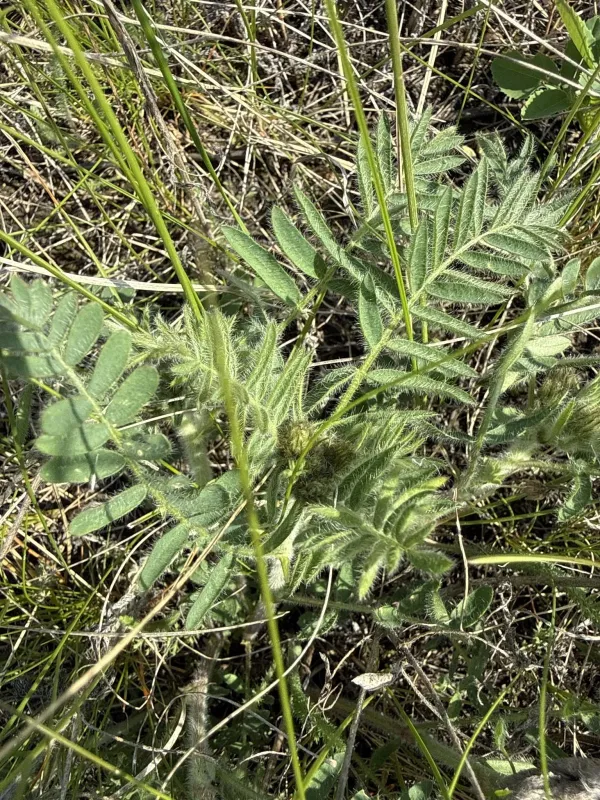
Description
Growing requirements
The Hairy Oxytrope (Oxytropis pilosa) is a perennial legume species belonging to the Fabaceae family. It is recognized for its significant drought tolerance, primarily due to a robust taproot system that allows the plant to thrive in arid and semi-arid environments.
The native habitat of this plant spans across the Eurasian steppe and forest-steppe zones. It is highly adapted to poor, sandy, and stony soils, where other forage crops struggle to establish themselves.
The plant requires full sun exposure and well-drained soil conditions to maintain optimal health. It is highly intolerant of waterlogged or stagnant soil, which can lead to root degradation and stunted growth.
Climatically, it is a hardy species capable of withstanding extreme temperature fluctuations, including severe winter frosts and hot summer droughts. Its resilience makes it an excellent candidate for marginal land development.
Agrotechnical management requires careful seedbed preparation, as early-stage seedlings are slow to develop. Eliminating competition from weeds during the first year is critical for successful stand establishment.
Yield
The primary agricultural use of Oxytropis pilosa is in forage production and pasture improvement. It contributes significantly to the nutritional quality of hay, providing essential proteins for livestock in regions where irrigation is unavailable.
Besides forage, this legume acts as a powerful nitrogen fixer. By hosting symbiotic bacteria, it improves soil fertility, making it a valuable tool in sustainable agricultural practices and organic farming systems.
Soil reclamation is another major application. The deep root structure helps stabilize erosion-prone sandy soils, effectively preventing wind-driven soil loss and improving overall land structure over time.
Yield stability depends heavily on the presence of local pollinators during the flowering phase. Adequate insect activity is essential for ensuring high seed sets and the successful natural regeneration of the crop.
Harvesting for forage should be timed with the peak of the flowering period to capture the highest nutrient density. Improper timing can lead to lignification, which reduces the palatability for domestic animals.
Main diseases and pests
Insect pests, particularly weevils of the Curculionidae family, represent the most significant threat. These insects can cause substantial damage to buds, flowers, and developing seeds, significantly reducing harvest yields.
Fungal pathogens such as powdery mildew may appear during periods of high humidity and poor ventilation within the canopy. Managing plant density and ensuring proper spacing are standard preventive measures.
Root rot caused by soil-borne pathogens can occur if the soil lacks sufficient drainage. Maintaining soil health through proper crop rotation is essential for the longevity of the plant stand.
Nematode infestations can also be a challenge in older fields where the crop has been grown for multiple years. Rotation with non-leguminous species is recommended to break pest life cycles.
Despite these threats, the plant remains naturally resilient. Integrated pest management (IPM) practices, emphasizing biological control and crop rotation, are generally sufficient to manage these threats.