
Amethyst locoweed
Oxytropis amethystea
Description
Growing requirements
Amethyst locoweed (Oxytropis amethystea) is a perennial herbaceous plant belonging to the Fabaceae family. This species is highly valued for its ability to thrive in harsh, high-altitude, or arid environments, demonstrating exceptional drought resistance compared to conventional forage crops.
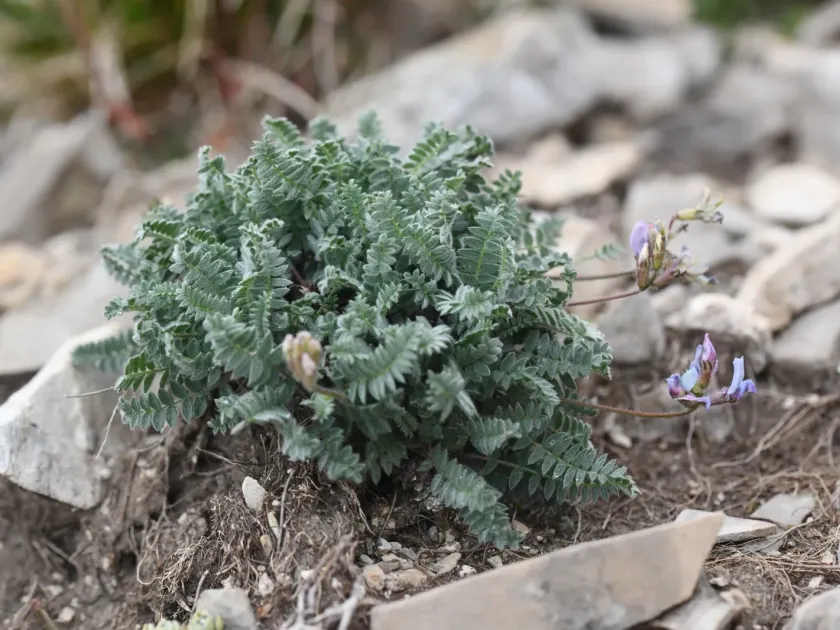
The plant features a robust taproot system that facilitates deep water absorption, allowing it to colonize nutrient-poor, rocky, or sandy substrates. Its foliage consists of pinnate leaves and vibrant amethyst-colored flowers that are typical for this genus of legumes.
Successful cultivation requires well-draining soils with a neutral or slightly alkaline pH. Drainage is a primary concern for agronomists, as root zone waterlogging often results in physiological stress and increased susceptibility to soil-borne pathogens.
Optimal growth conditions involve full sun exposure and minimal soil disturbance. Since the plant is adapted to low-nutrient environments, it typically requires little to no chemical fertilization, relying instead on its symbiotic relationship with nitrogen-fixing bacteria.
In agricultural settings, Oxytropis amethystea is used primarily for soil erosion control and as a supplemental forage crop in rangelands. Its inclusion in pastures can significantly improve the nitrogen content of the soil and provide high-protein nutrition for livestock.
Main diseases and pests
The primary pathological threats to Amethyst locoweed are fungal root rots, particularly in poorly drained soils. These conditions impede the plant's ability to maintain its deep root system, leading to stunted development or plant death.
Weevils pose the most significant pest risk, primarily targeting the pods and developing seeds. This can severely limit the feasibility of large-scale seed production and requires careful monitoring during the flowering stage.
Foliar diseases, such as powdery mildew, may occur during seasons with high humidity and poor air circulation within the plant stand. Maintaining proper spacing between plants is essential to promote airflow and minimize humidity-related issues.
Integrated pest management strategies are recommended to keep damage below economic thresholds. This involves regular field scouting and the use of natural predators to control insect populations without relying on synthetic pesticides.
Finally, competition from invasive weed species can suppress the establishment of Amethyst locoweed in its early growth phases. Careful site preparation and weed management during the first year of establishment are crucial for long-term success.