
Sickle milkvetch
Oxytropis falcata
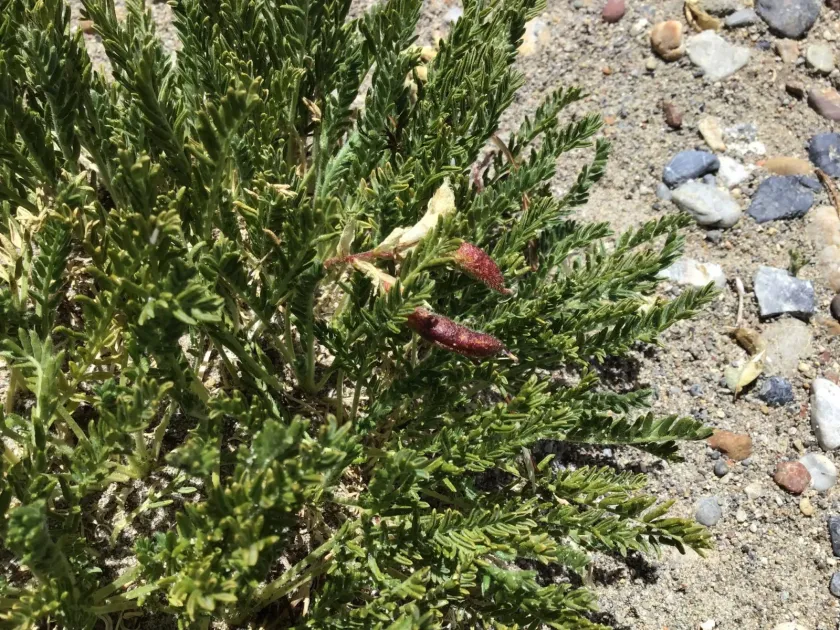
Description
Growing requirements
Sickle milkvetch (Oxytropis falcata) is a perennial herbaceous plant belonging to the legume family (Fabaceae). This species is well-known for its high adaptation to alpine and subalpine environments, thriving in harsh and rugged climates.
In its natural habitat, the plant is typically found on rocky slopes and stony soils. It possesses a deep and highly developed root system, which allows it to access water and nutrients effectively in environments where other crops would struggle to survive.
For agricultural cultivation, the crop requires well-drained, light-textured soils such as sandy loams. Heavy clay soils that retain moisture are generally unsuitable, as they promote root rot and inhibit the plant’s normal development.
The optimal temperature range for the active growth of Oxytropis falcata is moderate, but it exhibits impressive frost resistance. It prefers open, sunny locations and is intolerant to shading, which significantly impacts its biomass production.
Soil pH management is essential for successful cultivation. The plant performs best in neutral to slightly alkaline soils. Proper soil testing before sowing is recommended to ensure that the environment supports the activity of nitrogen-fixing bacteria.
Yield
The primary agricultural use of sickle milkvetch is as a high-quality forage crop, particularly for pasture improvement in mountainous regions. It is rich in protein and essential minerals, making it a valuable component of livestock feed.
Its ability to fix atmospheric nitrogen contributes to soil fertility, making it an excellent candidate for sustainable farming practices and crop rotations. The forage is palatable and nutritious, contributing to better weight gain in grazing animals.
When managed as part of a mixed meadow system, the plant can provide consistent yields. It is often combined with perennial grasses to ensure a balanced nutritional profile and to maintain high biomass production throughout the growing season.
Beyond its forage value, the plant is a noted nectar source for pollinators. Its flowers attract bees and other beneficial insects, which helps maintain biodiversity in surrounding ecosystems and supports the pollination of other crops.
Seed production requires careful monitoring because the pods are prone to dehiscing. Harvesting should be timed precisely to capture the seeds before they disperse naturally into the field, ensuring maximum yield for future seasons.
Main diseases and pests
The crop is susceptible to certain fungal pathogens, including powdery mildew, especially during seasons with high humidity or poor air circulation within the canopy. Ensuring adequate spacing during sowing is a key preventive measure.
Weevils are among the primary pests that target both the vegetative parts and the developing seed pods. Monitoring for signs of insect damage is essential, particularly during the early vegetative stage of the plant's life cycle.
Root-knot nematodes can also be a significant threat, particularly in poorly drained soils. Maintaining proper rotation cycles is the most effective cultural method to reduce the buildup of soil-borne pests and maintain a healthy field.
In cases of nutrient imbalance or environmental stress, the plant may become susceptible to rust diseases. Proper fertilization with emphasis on potassium and phosphorus helps to strengthen the plant's cell walls and overall immunity.
Small mammals and rodents may occasionally damage the root crowns during winter. Keeping fields clean of dense debris and managing nearby habitats can help reduce the attractiveness of the area to these pests.