
Oxytropis megalantha
Oxytropis megalantha
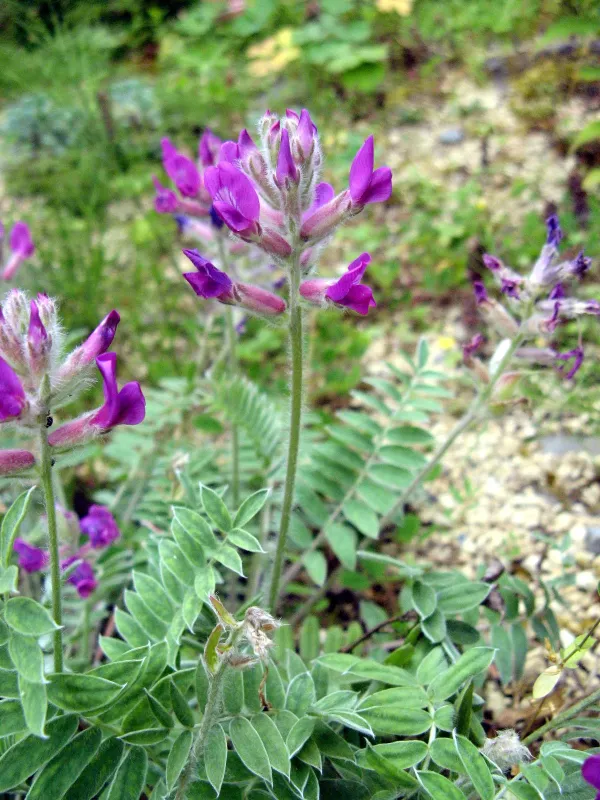
Description
Growing requirements
Oxytropis megalantha, commonly known as South Sakhalin locoweed, is a perennial herbaceous plant belonging to the Fabaceae family. This species is native to the southern parts of Sakhalin Island, where it has evolved to thrive in harsh coastal environments and specific local ecological niches.
The plant demonstrates a strong preference for well-drained, stony, or sandy soils. It is particularly well-adapted to slopes and coastal areas where other vegetation struggles to establish. The plant utilizes a deep taproot system to stabilize itself in loose substrates and access moisture.
Climatic requirements focus on high solar radiation and resistance to strong winds. Oxytropis megalantha requires a moderate thermal regime during its active growing season and is intolerant of waterlogging or high-humidity stagnation, which can damage its root system.
Agrotechnical practices involve careful management of soil aeration and nutrient levels. Because the plant is a nitrogen fixer, it does not require heavy nitrogen fertilization, but it responds well to phosphorus and potassium supplements which help in building robust root and seed structures.
In terms of agricultural use, this plant is considered valuable for grazing pastures and land reclamation. Its ability to fix atmospheric nitrogen allows it to improve soil fertility, making it an excellent candidate for restoration projects in areas with degraded, nutrient-poor landscapes.
Main diseases and pests
Fungal diseases are the primary threat, particularly rust and powdery mildew, which flourish during seasons with high humidity and poor air circulation.
Weevils represent the most significant pest group, causing damage to foliage and developing seeds, which negatively impacts the overall reproductive capacity of the stands.
Root rot fungi pose a constant risk when soil drainage is insufficient, often leading to rapid decline in population health and plant mortality in poorly managed fields.
Overgrazing and excessive soil compaction can lead to the degradation of local populations, reducing the plant's natural ability to recover after seasonal harvesting.
Integrated pest management strategies should focus on maintaining proper field sanitation and ensuring adequate spacing between plants to prevent the spread of fungal pathogens.