

Reference · Crops
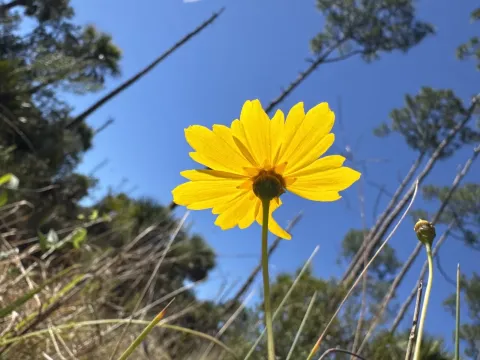
Coreopsis
Coreopsis L.
Coreopsis seeds are typically sown in the spring once the soil has warmed up sufficiently. The optimal time for direct outdoor seeding is usually April or May, depending on regional climatic conditions and frost dates.
16
items
What the section contains
 Coreopsis auriculata
 L.
Coreopsis auriculata x lanceolata
Coreopsis auriculata x Coreopsis lanceolata
Coreopsis auriculata
Coreopsis auriculata L.
Coreopsis auriculata x lanceolata
Coreopsis auriculata x Coreopsis lanceolata
 Coreopsis basalis
 (A. Dietr.) S. F. Blake
Coreopsis basalis
Coreopsis basalis (A. Dietr.) S. F. Blake
 Coreopsis grandiflora
 Hogg ex Sweet
Coreopsis grandiflora
Coreopsis grandiflora Hogg ex Sweet
 Coreopsis lanceolata
 L.
Coreopsis lanceolata
Coreopsis lanceolata L.
 Coreopsis nuecensis
 A. Heller
Coreopsis nuecensis
Coreopsis nuecensis A. Heller
 Coreopsis pubescens
 Elliott
Coreopsis pubescens
Coreopsis pubescens Elliott
 Coreopsis tinctoria
 Nutt.
Coreopsis tinctoria
Coreopsis tinctoria Nutt.
 Hybrid Coreopsis
Coreopsis rosea x Coreopsis tinctoria
Hybrid Coreopsis
Coreopsis rosea x Coreopsis verticillata
Hybrid Coreopsis
Coreopsis rosea x Coreopsis tinctoria
Hybrid Coreopsis
Coreopsis rosea x Coreopsis verticillata
 Hybrids of Coreopsis pubescens and Coreopsis rosea
hybrids between Coreopsis pubescens Elliott and Coreopsis rosea Nutt.
Large-flowered tickseed
Coreopsis grandiflora Hogg ex Sweet x Coreopsis verticillata L.
Pink coreopsis
Coreopsis rosea Nutt.
Hybrids of Coreopsis pubescens and Coreopsis rosea
hybrids between Coreopsis pubescens Elliott and Coreopsis rosea Nutt.
Large-flowered tickseed
Coreopsis grandiflora Hogg ex Sweet x Coreopsis verticillata L.
Pink coreopsis
Coreopsis rosea Nutt.
 Sea coreopsis
Coreopsis maritima (Nutt.) Hook. f.
Sea coreopsis
Coreopsis maritima (Nutt.) Hook. f.
 Tall coreopsis
Coreopsis tripteris L.
Tall coreopsis
Coreopsis tripteris L.
 Whorled tickseed
Coreopsis verticillata L.
Whorled tickseed
Coreopsis verticillata L.
Marketplace
Products in this section · 2

Coreopsis
For earlier blooming, indoor seed starting is a viable option. Sowing should occur in March, providing seeds with bright light and a temperature range of 20–22 degrees Celsius, as they require light to germinate effectively.
When sowing in the ground, seeds should be distributed over the surface and lightly covered with substrate or sand. Seedlings emerge within two to three weeks; they should then be thinned to maintain an interval of 20 to 40 centimeters between plants.
Transplanting seedlings to their permanent location should be done after the risk of late spring frosts has passed. This helps the young plants adapt faster and develop a robust root system before the onset of active summer growth.
Fall sowing is also practiced in warmer southern regions. Late-season planting allows seeds to undergo natural stratification in the ground, promoting more vigorous germination and seedling development in the following spring.
Coreopsis belongs to the Asteraceae family and is a sun-loving crop. It requires open, well-lit areas that receive full sunlight for several hours a day, ideally protected from strong, drying winds.
Regarding soil conditions, the plant has moderate requirements. It thrives in light, loose, and fertile soils with efficient drainage systems to prevent waterlogging, which could otherwise cause root decay.
The plant demonstrates high drought tolerance, making it an excellent choice for landscaping areas with limited irrigation. However, during periods of extreme heat, moderate and regular watering significantly improves the visual appeal of the foliage.
Soil pH is a key factor in successful cultivation. Coreopsis performs best in neutral to slightly alkaline substrates. If the soil is too heavy or clay-like, incorporating sand or peat prior to planting is highly recommended.
Soil preparation involves deep tilling and the application of balanced mineral fertilizers. Excess nitrogen-based fertilizers should be avoided, as they promote excessive leafy growth at the expense of floral development.
Coreopsis possesses a generally strong immune system; however, improper agricultural practices can lead to fungal issues. Powdery mildew is the most common concern, typically appearing in high-humidity conditions or overly dense plantings.
Root rot is a critical risk resulting from overwatering or poorly drained soil. If wilting symptoms appear, irrigation must be reduced immediately, and the application of systemic fungicides may be necessary to halt the spread of the infection.
Pests such as aphids and various plant bugs can cause significant damage by feeding on sap from young shoots and developing flower buds. Regular inspection of the plants is essential for early detection and targeted insecticidal treatment.
Fungal leaf spot diseases can occasionally occur under stressful growing conditions. Preventive measures include the prompt removal of dead plant material and the implementation of crop rotation to maintain soil health over several seasons.
- Thinning seedlings to ensure proper airflow and ventilation.
- Removing weeds that may harbor pests or pathogens.
- Applying phosphorus and potassium fertilizers to improve structural integrity.