
Tall coreopsis
Coreopsis tripteris L.
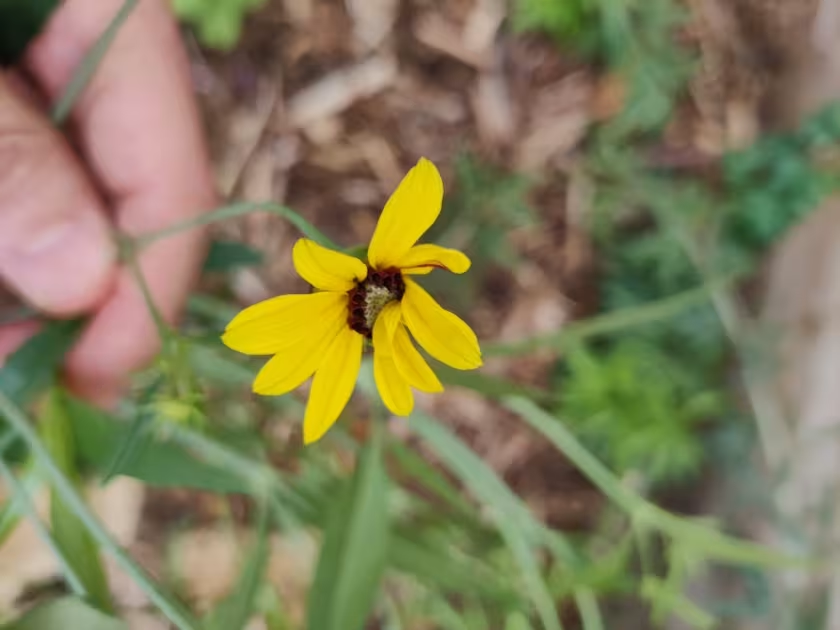
Description
Sowing dates
Tall coreopsis (Coreopsis tripteris) is a perennial herbaceous plant belonging to the Asteraceae family. Seeds are typically sown in early spring after the soil has warmed up, or in late autumn for natural stratification, which significantly improves germination rates.
For direct seeding in the field, it is recommended to choose sites with light, well-draining soil. Seeds should be sown at a depth of 1–2 centimeters, ensuring consistent moisture until germination, which usually takes about 14–20 days.
When starting indoors, sowing is performed in March using containers with a nutrient-rich substrate. Seedlings are pricked out at the two-leaf stage, allowing for the development of a robust root system before transplanting into the field.
The crop exhibits high growth vigor, so it is essential to follow recommended spacing when planting on a large scale. An optimal spacing of 40–50 centimeters between plants helps prevent overcrowding and facilitates maintenance.
The plant is known for its ability to self-seed under favorable conditions, a factor that must be considered when planning crop rotation. Managing seed dispersal effectively prevents excessive density in subsequent growing seasons.
Growing requirements
Tall coreopsis is highly ecologically adaptable and tolerant of a wide range of climatic conditions. It thrives in open, sunny locations, as shading can lead to elongated stems and reduced flowering performance.
The crop has moderate soil requirements but performs best in fertile, loamy soils with a neutral to slightly acidic pH. Good water permeability is critical, as stagnant moisture can cause root damage.
The species possesses significant drought tolerance due to its deep root system, which allows it to access moisture from lower soil profiles. In temperate climates, it withstands short dry spells without significant loss of vegetative mass.
Its excellent frost resistance makes it suitable for cultivation in various climate zones without the need for winter protection. Coreopsis tripteris is well-adapted to harsh winters, serving as a reliable perennial in agricultural landscapes.
Agronomic practices include regular inter-row cultivation to improve soil aeration and weed control. Balanced mineral fertilization during the active growth phase promotes the development of stronger bushes and more abundant flower production.
Main diseases and pests
The plant possesses strong natural resistance to most common diseases, though high humidity can occasionally trigger fungal infections like powdery mildew. Maintaining proper spacing and air circulation is the primary preventive measure.
Pests such as aphids and leaf beetles may occasionally target young leaves and flower buds. In cases of severe infestation, systemic insecticides registered for use on ornamental crops are recommended to manage pest populations.
Root rot may occur if drainage is poor and the soil remains waterlogged. Preventing water stagnation and promptly removing affected plants are essential steps in maintaining the health of the field crop.
Nematodes can sometimes affect the root system in light, sandy soils, leading to decreased plant vigor. Practicing crop rotation and using certified healthy plant material significantly reduces the risk of these pests.
In general, tall coreopsis is considered one of the least demanding crops, requiring minimal intervention to manage health risks. Consistent monitoring of the crop allows for the early detection and management of potential threats.