
Large-flowered tickseed
Coreopsis grandiflora Hogg ex Sweet x Coreopsis verticillata L.
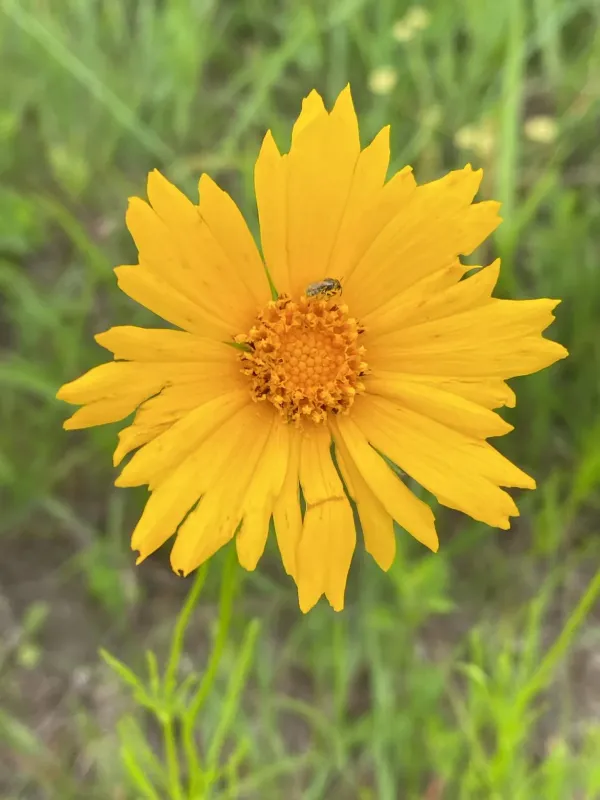
Description
Sowing dates
Large-flowered tickseed is typically propagated by seeds sown directly into the soil in early spring or by sowing in the autumn months.
For container-grown starts, seeds should be sown indoors 6 to 8 weeks before the last frost date to ensure a robust transplant by spring.
The seeds require light to germinate, so they should be surface-sown or covered only with a very thin layer of fine vermiculite or soil.
Optimal germination occurs at temperatures between 65°F and 75°F (18–24°C), with seedlings emerging in approximately two weeks.
Hardening off the seedlings before moving them to the permanent location is essential for acclimation to external environmental conditions.
Growing requirements
As a member of the Asteraceae family, Coreopsis grandiflora thrives in full sun exposure, requiring at least six hours of direct light daily.
The species is highly adaptable to various soil types but performs best in well-drained, sandy or loamy soils with a neutral pH.
It is known for its remarkable drought tolerance once established, making it a low-maintenance choice for dry landscaping and borders.
Fertilization should be kept to a minimum, as excessive nutrients can lead to lush foliage growth at the expense of floral production.
Periodic deadheading is recommended to encourage continuous blooming throughout the season and prevent the plant from becoming leggy.
Main diseases and pests
Powdery mildew is a significant threat, especially in humid or poorly ventilated climates, which can be managed with proper spacing.
Aphids are common pests that target new growth, causing leaf curling and potential stunted development of the flower buds.
Root rot caused by Phytophthora or other fungi may occur in waterlogged conditions, making adequate drainage a critical management factor.
Tarnished plant bugs can also cause damage to the developing floral stems, often leading to twisted or malformed flower heads.
Integrated pest management, including natural predators and selective fungicides, is the preferred approach for maintaining crop health.