
Coreopsis grandiflora
Coreopsis grandiflora Hogg ex Sweet
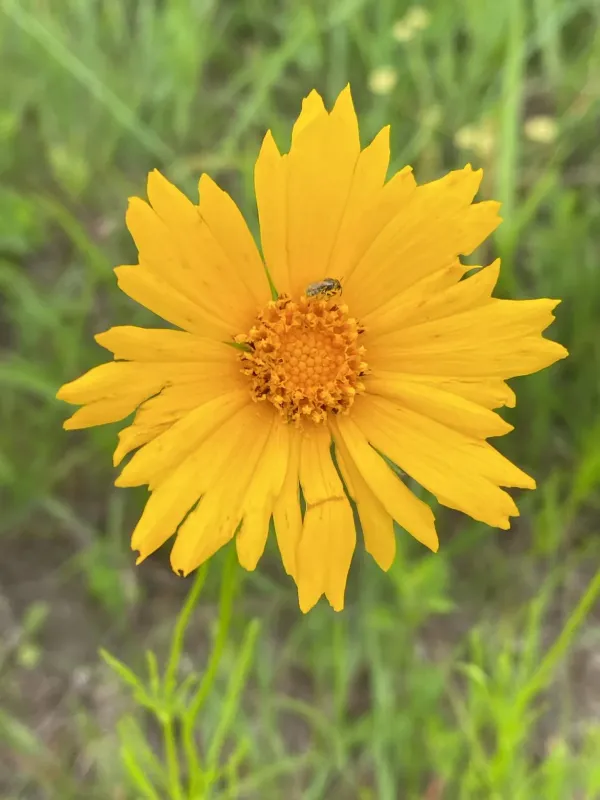
Description
Sowing dates
Coreopsis grandiflora, commonly known as large-flowered tickseed, is a member of the Asteraceae family. It is typically propagated by seeds sown directly in the garden during late spring when soil temperatures reach stable levels.
For professional nursery production, seeds are sown indoors 8 to 10 weeks before the last frost. Maintaining a temperature range between 18 and 22 degrees Celsius ensures uniform germination for the seedlings.
Surface sowing is recommended as the seeds require light to germinate effectively. Covering them with a thin layer of fine vermiculite or soil is sufficient to keep them in place without blocking light.
Transplanting should occur once the risk of frost has completely passed. Spacing is crucial for field production; plants should be set roughly 30 to 45 centimeters apart to allow for proper airflow.
Direct field seeding requires precise weed control during the establishment phase, as young seedlings are susceptible to competition from fast-growing weeds.
Growing requirements
Coreopsis grandiflora thrives in full sun exposure. While it can tolerate light partial shade, maximum flowering intensity and sturdy stem growth are only achieved with at least 6 to 8 hours of direct sunlight.
The species is highly adaptable to various soil textures, but it performs optimally in well-drained, sandy or loamy soils. It displays a notable tolerance for poor to average soil fertility.
Proper drainage is the most vital requirement for this crop. It is highly intolerant of waterlogged soil conditions, which frequently lead to crown rot and premature plant mortality during the dormant season.
The plant is considered drought-tolerant once established. It is an excellent choice for xeriscaping or areas where supplemental irrigation is limited or restricted.
Fertilization should be applied conservatively. Excess nitrogen typically leads to lush vegetative growth and floppy stems, significantly reducing the visual appeal and quality of the flower production.
Main diseases and pests
Powdery mildew is a significant fungal threat, especially in regions with high humidity or poor air circulation within the planting rows. Fungicide treatments may be necessary in outbreak conditions.
Aphids are the most common insect pests encountered. They congregate on new flower buds and tender shoots, causing stunted growth and potential transmission of viral diseases if not managed.
Root rot caused by Phytophthora or Pythium species can occur if drainage is inadequate. Management involves strictly monitoring irrigation cycles and improving soil structure with organic amendments.
Tarnished plant bugs may occasionally cause damage to developing buds, leading to deformed flowers. Integrated pest management strategies using beneficial insects are preferred in sustainable systems.
Proper site preparation, including crop rotation and removing debris after the growing season, is essential to reduce the inoculum levels of soil-borne pathogens and pests.
Harvesting
For ornamental or cut flower use, stems are harvested when the flowers are in the early bloom stage. Harvesting during the cool morning hours increases the post-harvest longevity of the stems.
Deadheading—the removal of spent flowers—is a key practice to prolong the blooming season. By preventing seed set, the plant is encouraged to continue producing new flower flushes.
Seed harvesting for propagation is performed when the seed heads turn brown and become dry to the touch. The entire head is harvested and placed in paper bags to finish drying indoors.
Threshed seeds must be cleaned of chaff and stored in cool, dry conditions. Proper storage maintains the high viability of the seeds for the subsequent planting season.
At the end of the vegetative cycle, plants are typically cut back to near ground level. This practice helps the plant conserve energy and prevents the accumulation of old foliage which can host pests.