
Coreopsis tinctoria
Coreopsis tinctoria Nutt.
Description
Sowing dates
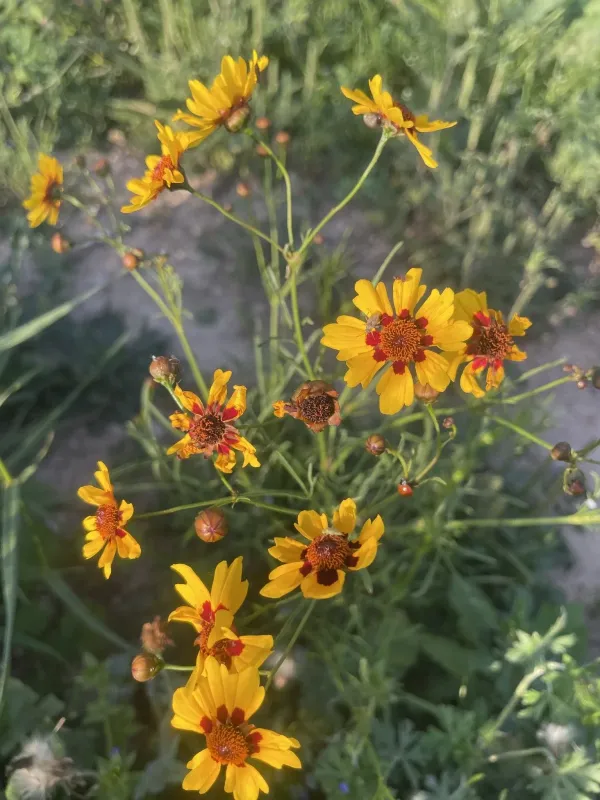
Coreopsis tinctoria, commonly known as plains coreopsis, is a member of the Asteraceae family. It is typically grown as an annual crop. Seeds are sown directly into prepared soil in mid-spring once the risk of frost has passed, ensuring the soil temperature is adequate for germination.
For earlier blooms, propagation via seedlings is recommended. Seeds are sown indoors about six to eight weeks before the last frost date. They require light for germination, so they should be covered only very lightly with soil. Once the danger of frost is over, seedlings are hardened off and transplanted to the field.
Growing requirements
This species is highly adaptable and thrives in full sun conditions. While it is tolerant of various soil types, it performs best in well-drained, sandy or loamy soils. It has a high tolerance for drought once the plants are established, making it a low-maintenance crop for many regions.
Soil pH should ideally be neutral to slightly acidic for optimal growth. Coreopsis tinctoria does not require high levels of fertilization; in fact, over-fertilizing with nitrogen can lead to excessive foliage growth at the expense of flower production, which reduces the crop's overall quality.
Maintenance involves routine weeding during the early stages of growth to prevent competition. The plant is naturally resistant to many environmental stresses, but maintaining proper spacing between plants is essential to ensure adequate airflow and prevent the buildup of humidity around the stems.
Yield
The yield of flowers is influenced by the growing conditions and the timing of the harvest. In commercial applications, such as for natural dye production, harvesting at peak bloom ensures the highest concentration of pigments. Proper post-harvest management, including immediate drying, is critical to maintaining quality.
Main diseases and pests
Common issues include fungal diseases such as powdery mildew, especially in regions with high humidity or poor drainage. Proper site selection and avoiding over-irrigation are the most effective preventive measures. Removing infected plant debris helps reduce the inoculum for the next season.
Aphids are the most prevalent pest, particularly on young, tender growth. If left uncontrolled, they can stunt development and spread viral infections. Integrated pest management, including the use of beneficial insects or targeted sprays, is standard practice to maintain crop health during the growing season.
Harvesting
Harvesting should occur when the flowers are fully open but before they begin to wilt. For best results, cut the flowers during the cool part of the morning. Ensure that the harvested material is kept out of direct sunlight and dried quickly in a dry, ventilated environment to preserve color potency.