
Hybrid Coreopsis
Coreopsis rosea x Coreopsis tinctoria
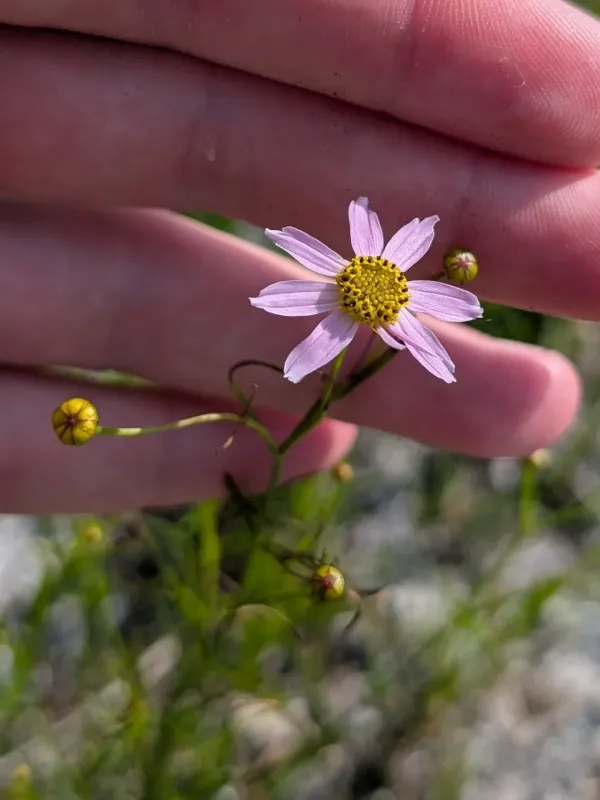
Description
Sowing dates
The sowing of hybrid coreopsis seeds should be carried out in late March or early April, ensuring a stable indoor temperature of about 20 degrees Celsius. Seeds are spread evenly over the surface of a nutritious substrate and lightly covered with vermiculite to maintain the required humidity.
Seedlings should be transplanted into the open ground only after the risk of late spring frosts has passed, typically in the second half of May. Direct sowing in the soil is planned for the second decade of May when the soil is warm enough to promote active germination.
To create dense decorative plantings, it is recommended to maintain a spacing of 30-40 centimeters between plants. This ensures adequate airflow and prevents the development of fungal diseases in dense foliage.
The plant prefers well-lit areas, as shade reduces the decorative qualities of hybrid varieties and causes stems to stretch. It is essential to select locations protected from strong winds that could damage delicate flower stalks.
Since hybrid forms often do not reproduce true to type from seeds, professional growers and gardeners prefer vegetative reproduction by dividing the clump in spring or autumn.
Growing requirements
Hybrid Coreopsis (Coreopsis rosea x Coreopsis tinctoria) belongs to the Asteraceae family and is an ornamental culture that combines the elegance of pink coreopsis with the prolific blooming of tinctoria coreopsis.
The crop requires moderately fertile, well-drained soils with a neutral or slightly acidic pH. It is important to avoid waterlogged and heavy clay substrates, as the root system is sensitive to water stagnation, which can lead to root rot.
The plant is drought-tolerant once established, but for prolific blooming during hot summer months, regular but moderate watering is required. One should avoid letting the root ball dry out completely during the budding phase.
Fertilization should be done 2-3 times per season, using balanced mineral fertilizers with low nitrogen content. Excess nitrogen promotes vegetative growth at the expense of floral development.
- Soil: Light, sandy loam or loamy.
- Lighting: Full sun or partial shade.
- pH: 6.0–7.0.
- Watering: Moderate, based on soil moisture.
Yield
The economic use of hybrid coreopsis is primarily focused on landscape design, decorative mass plantings, and floral cut-flower production. Productivity is measured by the number of flower stalks produced per plant throughout the growing season.
With proper agronomy, one adult plant can form 50 to 100 inflorescences per season. Productivity varies depending on soil fertility and the frequency of deadheading, which is critical for continuous bloom.
Regular pruning of spent blooms stimulates the formation of new generative buds, extending the flowering period until late autumn. This is a key technique for increasing total commercial yield.
Harvesting for floral use should be done in the early morning hours, just as the buds begin to open. Cut flowers are known for their longevity in a vase, retaining their decorative appearance for up to 10 days.
Peak decorative performance is observed in the second or third year after planting. As the clump ages, flowering intensity may decrease, signaling the need for rejuvenating division of the root system.
Main diseases and pests
Key pests affecting hybrid coreopsis include aphids, spider mites, and various leaf-eating caterpillars. Upon detecting the first signs of infestation, systemic insecticides should be applied to protect the plant health effectively.
Fungal diseases such as powdery mildew and rust often develop when humidity is too high or air circulation is poor. Prevention involves maintaining proper spacing and avoiding overhead irrigation that wets the leaves.
In conditions of excessive soil moisture, Fusarium wilt may occur, manifesting as the wilting of individual stems. Infected plants must be removed from the site immediately to prevent the spread of the pathogen.
Disease management includes thorough autumn cleanup of plant debris, where fungal spores can overwinter. Fungicide treatments are necessary at the first signs of chlorosis or leaf spotting.
To strengthen the immune system of the plants, periodic application of potassium-phosphorus fertilizers is recommended, which increases the crop's resistance to adverse environmental factors and pathogens.