
Hybrids of Coreopsis pubescens and Coreopsis rosea
hybrids between Coreopsis pubescens Elliott and Coreopsis rosea Nutt.
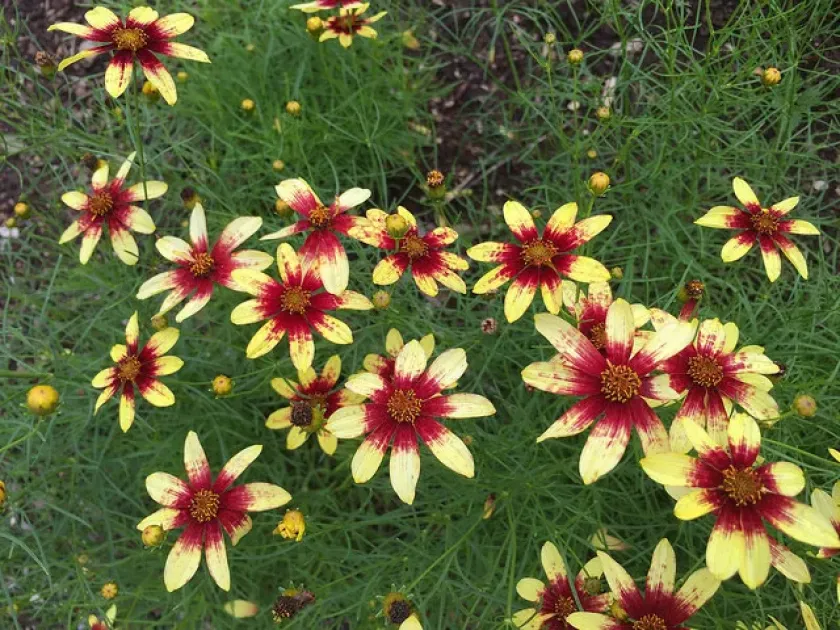
Description
Sowing dates
Propagation of these interspecific hybrids is best achieved through vegetative division of the root system. Division should be carried out in early spring or autumn to ensure the plant establishes itself successfully before environmental stress occurs.
When starting from seeds, keep in mind that these hybrids do not always breed true. Seeds should be surface-sown under light conditions, as darkness inhibits the germination process of many Coreopsis species.
Transplanting seedlings to the outdoor garden should only happen after the danger of frost has passed. Warm soil conditions are crucial for the root development of these hybrid plants.
Ensure a spacing of 40 to 50 centimeters between individual plants. Adequate space allows for better airflow, which is essential to prevent the accumulation of moisture and the subsequent development of fungal infections.
For better establishment, newly transplanted seedlings should be kept moist and slightly shaded until new growth is visible. This helps reduce transpiration and assists in stabilizing the root-to-soil connection.
Growing requirements
Hybrids of Coreopsis pubescens and Coreopsis rosea belong to the Asteraceae family. These hybrids are highly valued for combining the heat tolerance of the parent species with an extended blooming season and delicate floral display.
Full sun is an essential requirement for optimal growth. Plants grown in shaded conditions tend to become leggy and produce significantly fewer blooms, losing their intended compact architectural form.
The soil should be light, well-draining, and slightly acidic to neutral in pH. Avoid heavy clay soils where moisture retention is high, as these conditions often lead to root rot during the dormant season.
Although they are relatively hardy, these hybrids appreciate consistent moisture during the active growing phase. Supplemental watering is recommended during prolonged dry spells to maintain plant vigor.
Nutrient management is straightforward. A balanced, slow-release fertilizer applied in early spring is usually sufficient to support healthy foliage and continuous flower production throughout the summer.
Yield
The primary use of this culture is within the horticultural and landscaping industry. These hybrids are ideal for mass plantings, border fronts, and containers, providing a long-lasting aesthetic appeal.
The yield of flowers is directly correlated with proper maintenance. Regularly deadheading faded blossoms significantly encourages the plant to initiate new bud formation, keeping the display vibrant for months.
In professional landscaping, these hybrids are utilized for their uniformity and growth habit. They form dense, reliable clumps that minimize weed growth and require minimal intervention once established.
A single plant remains productive for several years. After 3 to 4 years, dividing the clump is necessary to maintain flower size and plant health, as old crowns tend to become sparse and less vigorous.
For nursery production, the focus is on maintaining high-quality mother plants for vegetative division. This ensures that the aesthetic characteristics of the hybrid remain consistent across the entire crop.
Main diseases and pests
Aphids and spider mites are the most frequent pests affecting these hybrids. They are particularly active during hot, dry periods and can cause significant damage to the floral buds and tender foliage.
Powdery mildew is the most common fungal disease associated with this plant group. It thrives in humid environments with poor air circulation, manifesting as a white, dusty layer on the leaves.
Root rot is often the result of improper drainage or overwatering. Maintaining a well-draining soil profile and avoiding surface water accumulation are the best preventative measures for this issue.
Integrated pest management, including the use of targeted insecticides, should be employed to control infestations. Always prioritize applications during early or late hours to protect non-target beneficial insects.
- Use high-quality drainage substrates.
- Apply mulch to prevent soil splashing onto leaves.
- Regularly inspect the foliage for early signs of mildew or pest colonization.