
Sea coreopsis
Coreopsis maritima (Nutt.) Hook. f.
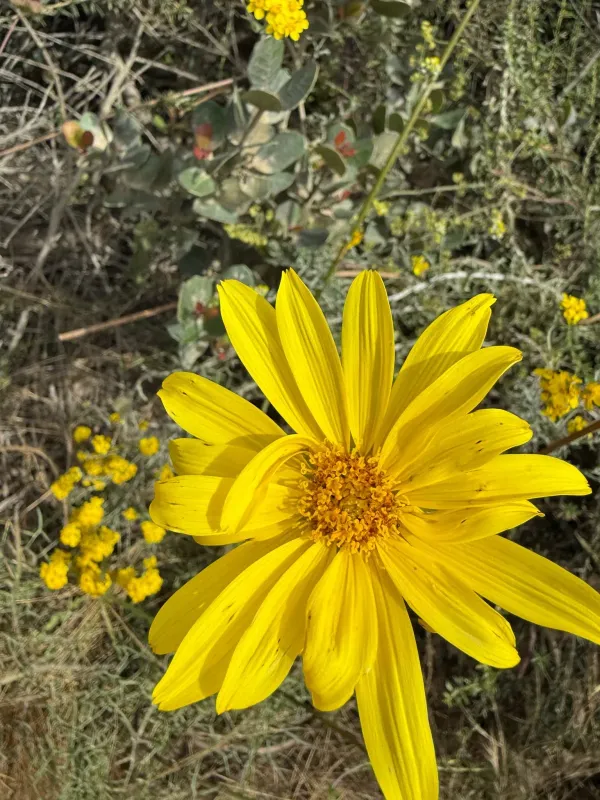
Description
Sowing dates
Sowing of Coreopsis maritima seeds should be performed in the early spring once the threat of frost has passed. Seeds are best germinated at temperatures between 18 and 22 degrees Celsius, with exposure to light for optimal results.
In nursery conditions, sow the seeds on the surface of a well-draining, sandy-based seed compost. Avoid covering the seeds heavily, as light exposure is vital for successful germination of this species.
Transplanting seedlings to their final location is recommended once they have developed at least two sets of true leaves. Ensure the spacing is adequate to prevent overcrowding and to promote better airflow.
When sowing directly into the garden, soil should be prepared by incorporating grit or coarse sand to mimic the plant's native, well-draining coastal environment.
Consistent moisture is necessary during the initial germination phase. Once established, the frequency of watering can be reduced to allow for the plant's natural drought-tolerant traits to take hold.
Growing requirements
Sea coreopsis is a member of the Asteraceae family, native to the coastal bluffs and sandy slopes of Southern California and Baja California. It thrives in full sun and is highly adapted to marine environments.
Soil requirements are strict: the plant mandates excellent drainage. It will not tolerate heavy, waterlogged soils, which frequently lead to the decline of the plant's root system.
The ideal soil pH for Coreopsis maritima is neutral to slightly alkaline. It performs exceptionally well in poor, rocky soils where other more demanding ornamental plants may struggle to survive.
The climate requirement centers on a Mediterranean-type environment with mild winters and dry, sunny summers. It is not cold-hardy and should be treated as an annual or greenhouse specimen in colder climates.
Regarding cultivation, avoid high-nitrogen fertilizers. Excessive nitrogen promotes foliage growth but inhibits the production of the plant's signature bright yellow, daisy-like blossoms.
Main diseases and pests
Root rot is the most common pathology affecting Coreopsis maritima, typically triggered by improper irrigation and poor soil aeration. Improving the drainage is the primary defense strategy.
Powdery mildew may occur if the plants are placed in areas with stagnant air and high humidity. Pruning crowded foliage and ensuring adequate sunlight will minimize the incidence of fungal growth.
Aphids can infest the tender tips of the plants, particularly during the active growing season. Regular monitoring and application of insecticidal soap can manage these pest populations effectively.
Spider mites are common in hot and arid conditions. These pests damage the foliage, leading to yellowing and loss of vigor, so maintaining proper plant hydration is key to prevention.
Snails and slugs can damage young seedlings. Protecting the garden bed with physical barriers like crushed shells or copper tape can deter these mollusks from attacking the young shoots.