
Coreopsis lanceolata
Coreopsis lanceolata L.
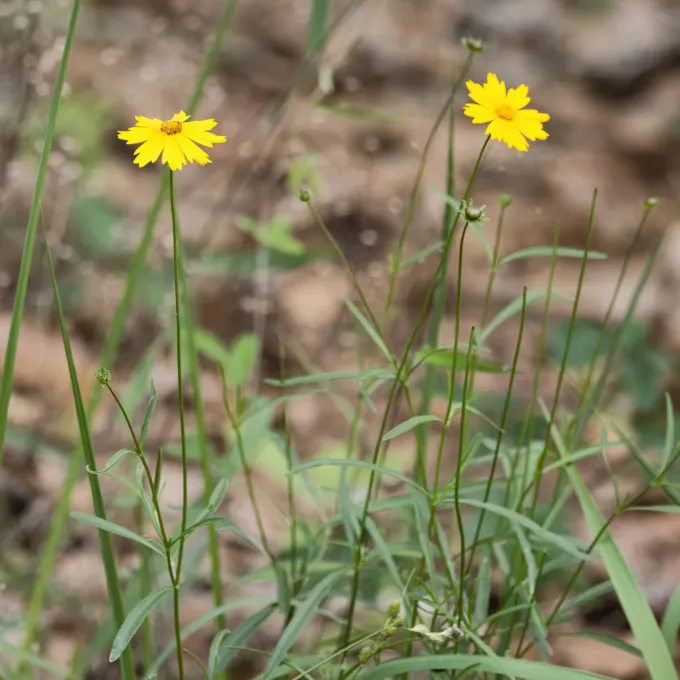
Description
Sowing dates
Sowing of Coreopsis lanceolata is best conducted during the spring period once soil temperatures are consistently above 15 degrees Celsius. Direct field sowing requires well-prepared, friable soil to ensure optimal contact between seeds and the growing medium.
For indoor propagation, seeds should be sown in modular trays in late winter to early spring. Using a light, peat-based substrate facilitates rapid germination, which typically occurs within two weeks under stable light and temperature conditions.
Once seedlings have developed two sets of true leaves, they should be hardened off before transplanting into the open field. Proper spacing of 30 to 45 centimeters between plants is recommended to ensure adequate airflow and prevent overcrowding.
Fall sowing is also a viable strategy in warmer regions, as cold stratification can naturally improve germination rates in the following spring. Seeds should be surface-sown as they require light to germinate effectively.
Regular monitoring of seedbeds is essential, especially regarding soil moisture, to prevent crusting, which can impede the emergence of young sprouts in heavier soil types.
Growing requirements
As a member of the Asteraceae family, Coreopsis lanceolata is highly adaptable to a variety of environmental conditions. It thrives best in full sun exposure, which is necessary to promote vigorous growth and a high number of floral heads.
The plant is remarkably drought-tolerant once established, owing to its deep root system, making it an excellent candidate for low-maintenance horticultural projects. However, it does not tolerate waterlogged, heavy soils, which can lead to root rot.
Soil pH should ideally be neutral or slightly acidic. While the species can survive in poor soils, supplemental potassium and phosphorus fertilizers applied before the flowering stage can enhance the structural integrity and bloom intensity.
Climate tolerance is significant; the plant is hardy and withstands various temperature extremes typical of temperate regions. It is well-suited for naturalistic plantings, wildflower meadows, and border garden designs.
Maintenance requirements are minimal, primarily consisting of deadheading spent blooms to encourage a second flush of flowers and prevent excessive self-seeding, which could otherwise displace other species in the garden.
Main diseases and pests
The main threats to Coreopsis lanceolata include fungal diseases such as powdery mildew, which thrive in humid conditions with poor air circulation. Symptoms appear as a white powdery coating on the foliage.
Rust and leaf spot diseases may occasionally occur, particularly during seasons with prolonged rainfall. Implementing proper spacing and ensuring the foliage remains dry as much as possible are primary preventative cultural practices.
Insect pests, most notably aphids and leaf bugs, can cause damage by sucking sap from developing shoots. These pests not only weaken the plant but can also vector plant viruses, potentially reducing the overall longevity of the stand.
Integrated pest management should focus on early detection. In cases of severe infestations, targeted use of insecticidal soaps or systemic pesticides might be necessary, though they should be used sparingly to protect pollinators.
Managing soil fertility and drainage is the most effective preventative measure against root-based pathogens. Ensuring the crop is not stressed by water excess is the cornerstone of a healthy and productive cultivation cycle.