
Coreopsis auriculata x lanceolata
Coreopsis auriculata x Coreopsis lanceolata
Description
Sowing dates
Sowing of this hybrid culture is typically performed in early spring as soon as the soil becomes workable and temperatures rise consistently above 15 degrees Celsius.
For gardeners looking to expand their production, late autumn sowing is an effective strategy, allowing the seeds to endure natural cold stratification.
When starting indoors, seeds should be sown in shallow trays, lightly pressed into the soil surface, and kept in a bright location to ensure germination.
The optimal spacing for planting out young seedlings is approximately 30 to 40 centimeters, which prevents overcrowding and competition for sunlight.
Uniform soil moisture must be maintained during the initial weeks after sowing to ensure the establishment of a robust root system before summer heat arrives.
Growing requirements
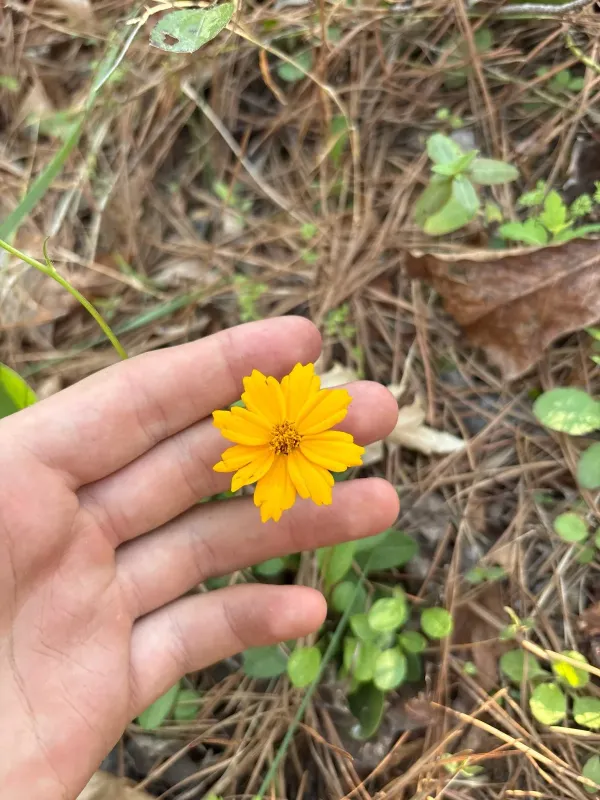
Coreopsis auriculata x lanceolata is a hybrid perennial plant belonging to the Asteraceae family, known for its strong vigor and profuse yellow flowering.
The plant requires full sun exposure to reach its maximum biological potential and to maintain a compact, healthy growth habit without leggy stems.
It thrives in well-drained, average garden soils and exhibits excellent tolerance to varied soil pH levels, making it highly versatile for different environments.
While the species is naturally drought-tolerant once established, supplemental irrigation during prolonged dry spells enhances both color saturation and blossom longevity.
Annual maintenance involves cutting back the plant after the first flush of flowering to encourage a second, often more vigorous, bloom cycle in early autumn.
Main diseases and pests
Powdery mildew is the most common fungal issue encountered by this plant, especially in areas with poor airflow and high humidity during the mid-summer months.
Implementing regular pruning and ensuring proper plant spacing are effective cultural practices that significantly reduce the risk of pathogen accumulation.
The plant can also be susceptible to aphids that cluster on the succulent parts of the stems, leading to stunted growth if left unmanaged for extended periods.
In cases of heavy infestation, specific horticultural oils or insecticidal soaps can be utilized to treat the affected foliage without harming the environment.
To ensure long-term health, monitor for signs of crown rot caused by poor soil drainage, and improve the soil structure by adding organic matter where necessary.