
Coreopsis basalis
Coreopsis basalis (A. Dietr.) S. F. Blake
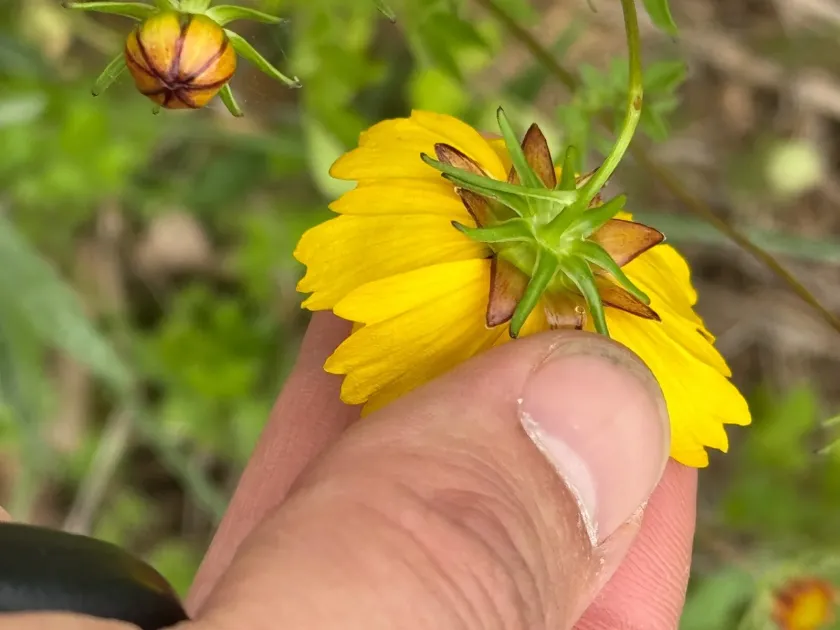
Description
Sowing dates
Coreopsis basalis is an annual herbaceous plant belonging to the Asteraceae family. In agricultural and horticultural practice, it is primarily propagated by seeds sown directly into open soil or grown through transplants.
The optimal time for direct seeding in open ground occurs in spring when soil temperatures reach 10–12°C. In southern regions, this is mid-April, while in northern areas, it is typically May.
To accelerate blooming, seeds are sown in seedling trays in March. The seedlings are transplanted to their permanent location once the threat of night frost has passed, maintaining a spacing of 25–30 cm between plants.
The plant features high seed germination vigor, with seeds remaining viable for up to 3–4 years under proper storage conditions. Seeds should be sown at a shallow depth of no more than 0.5–1 cm.
Special attention must be paid to site preparation; the area must be fully exposed to direct sunlight, as the culture is highly demanding of solar radiation for proper development.
Growing requirements
Coreopsis basalis prefers well-drained, light-textured soils. Heavy clay soils, if not amended for better drainage, often lead to root rot and other moisture-related pathologies.
The plant exhibits high drought tolerance and can withstand temporary water deficits, although regular irrigation significantly improves the intensity of flowering and the quality of the inflorescences.
The soil pH should ideally be neutral or slightly acidic. Excessive application of nitrogen-rich organic fertilizers may lead to an overgrowth of foliage at the expense of floral production.
In various climatic zones, it is important to provide wind protection, as the tall stems may lodge without sufficient support or adequate mounding practices.
The crop does not tolerate waterlogging, so on sites with a high water table, the installation of efficient drainage systems is essential to ensure long-term plant health.
Main diseases and pests
Key phytosanitary risks for this crop include fungal infections such as powdery mildew, which frequently affects leaves during periods of high ambient humidity.
Rust disease is another common threat, manifesting as reddish-brown spots on the underside of leaf blades, which requires preventative treatment with appropriate fungicides.
Among pests, aphids pose the greatest threat, as they feed on the sap of young shoots and buds, resulting in significant plant deformation and reduced ornamental value.
Infections by chewing insects, such as cutworms, can also occur, particularly during the early stages of growth, causing damage to the root crown and stem base.
To minimize losses, it is recommended to practice regular weeding and the removal of plant debris, alongside careful irrigation management to maintain the overall vitality of the root system.