
Whorled tickseed
Coreopsis verticillata L.
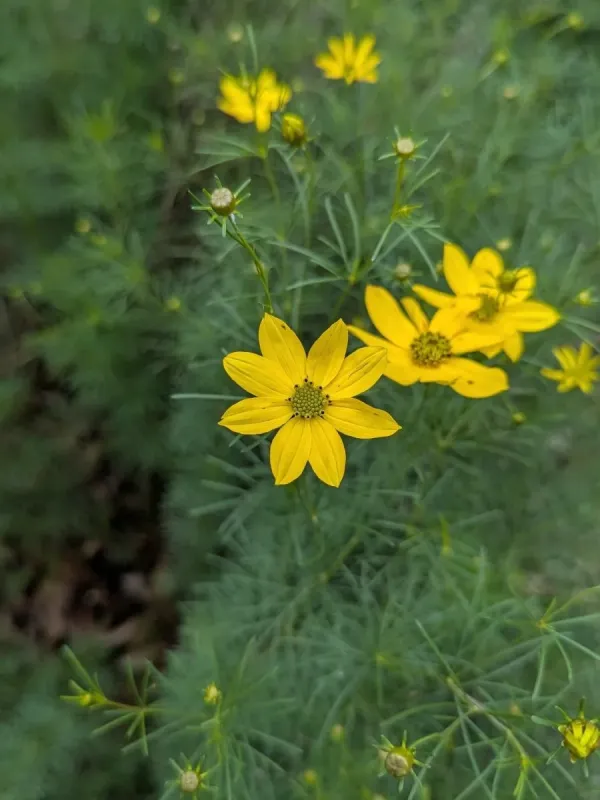
Description
Sowing dates
The sowing of Coreopsis verticillata L. seeds is typically conducted in the spring season when soil temperatures reach a comfortable level for germination. Early to mid-spring is the optimal window.
Seedlings are often started indoors in containers during late winter or early spring to ensure a longer growing season and earlier blooming once moved outdoors.
Transplanting of young plants to the field should occur after the threat of frost has passed. It is crucial to maintain proper spacing, usually 30-40 cm, to allow for airflow and plant expansion.
Propagation through division of mature clumps is best performed in the autumn. This allows the roots to settle in the soil before the dormant winter period begins.
When sowing directly into the soil, seeds should be covered very lightly. Being photoblastic, they require a certain amount of light to initiate the germination process effectively.
Growing requirements
Coreopsis verticillata is a hardy perennial belonging to the Asteraceae family. Originating from North America, it has become a popular choice for various landscapes due to its adaptability.
This species thrives in full sun conditions. Exposure to direct sunlight is essential for the plant to maintain its compact habit and produce its characteristic golden-yellow flowers.
The crop prefers well-drained, slightly sandy soils. It is highly intolerant of waterlogged conditions, which can lead to root failure and poor plant vitality.
While the plant exhibits significant drought tolerance once established, consistent moisture during the early growth stages is beneficial for building a strong root system.
Regular maintenance involves light fertilizing with balanced nutrients at the beginning of the active growth phase to support long-lasting flowering performance throughout the summer.
Main diseases and pests
Powdery mildew represents the most significant fungal threat, especially in humid climates or areas with poor air circulation where plants are crowded together.
Aphids can frequently colonize the tender tips of the foliage. Regular monitoring and, if necessary, the application of horticultural soaps are recommended to manage these insect pests.
Leaf spot diseases, characterized by brown or black lesions, may occur during wet summers. Improving drainage and removing affected foliage helps mitigate the spread of these pathogens.
Root rot is a common issue primarily linked to heavy soils that do not drain properly. Amending the soil with organic matter or grit can significantly improve drainage conditions.
To keep the plants healthy and prevent disease buildup, gardeners should practice good sanitation by clearing away dead plant debris at the end of the growing season.