
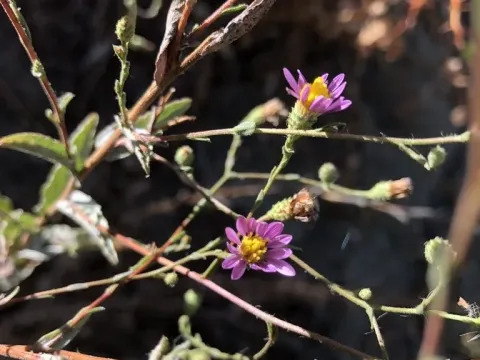
Corethrogyne
Corethrogyne
Sowing seeds of Corethrogyne is recommended during the autumn months to mimic the natural germination cycle inherent to Mediterranean climates. Seeds often require a period of cold stratification to increase germination rates in controlled nursery environments.
What the section contains

Corethrogyne
When using the transplant method, seeds should be sown in a light, sterile substrate in late winter. Maintaining a moderate temperature is crucial, as excessive heat can inhibit the development of young seedlings during the initial weeks.
The depth of sowing should be shallow, as these seeds require adequate light to trigger successful germination. The growth medium must be well-drained to prevent moisture stagnation around the seed bed.
Transplanting young plants to their final outdoor location should occur only after the risk of late spring frosts has passed. The plants prefer gradual acclimation to the outdoor environment to develop a robust root system.
Proper spacing during planting is essential for the prevention of fungal diseases; an optimal density allows for about 30-40 centimeters between individual plants to ensure adequate airflow.
Corethrogyne, belonging to the Asteraceae family, is a plant highly adapted to arid and sunny conditions. In its native habitat, it thrives in open areas with consistent exposure to direct sunlight throughout the day.
The crop demonstrates significant tolerance for nutrient-poor substrates, including sandy or rocky soils. A critical requirement for successful cultivation is excellent drainage, as the root system is highly sensitive to waterlogged conditions.
A neutral to slightly acidic soil pH is ideal. This plant efficiently utilizes limited nutrient resources; therefore, excessive application of organic or mineral fertilizers may negatively impact blooming cycles and general health.
Climatic preferences include moderately humid winters and dry, warm summers. Agronomists must note that excessive humidity during the summer season is the primary limiting factor for the successful growth of this species.
In both industrial and ornamental settings, moderate irrigation is necessary only during the active vegetative growth phase, while preventing water accumulation in the soil during the plant's dormant period.
The main threats to Corethrogyne are fungal infections caused by water stagnation in the root zone. Root rot can spread rapidly if soil aeration is compromised or drainage is insufficient.
Pests such as aphids and spider mites may infest the aerial parts of the plant during prolonged periods of hot, dry weather. Regular monitoring of foliage is vital for timely implementation of biological control methods.
Powdery mildew represents a serious threat in conditions of high air humidity and poor air circulation around the canopy. Thinning out plantings is the most effective preventative measure against this pathogen.
Slugs and snails can cause significant mechanical damage to tender young leaves during the spring. Utilizing physical barriers or manual collection is preferred over the application of harsh chemical pesticides.
It is important to recognize that plants weakened by suboptimal environmental conditions become significantly more susceptible to viral infections, often transmitted by sap-sucking insects.