
Coreopsis auriculata
Coreopsis auriculata L.
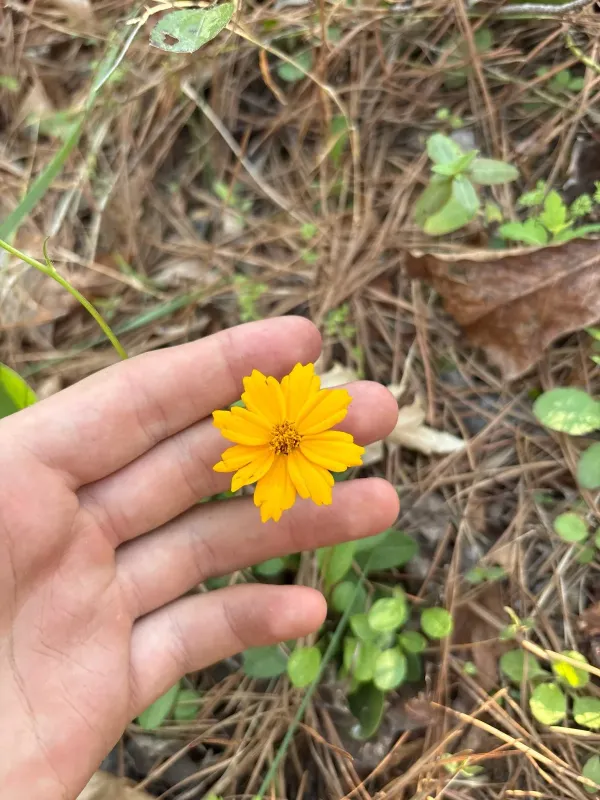
Description
Sowing dates
Coreopsis auriculata, commonly known as mouse-ear coreopsis, is a perennial flowering plant in the Asteraceae family. Seeds are typically sown in early spring once the danger of frost has passed and soil temperatures have warmed up.
For better control over germination, starting seeds indoors in late winter is a viable option. Use a well-draining seed-starting mix and provide consistent light until seedlings are strong enough for outdoor transplanting.
When sowing directly into the garden, place seeds on the surface or cover them very lightly with soil, as they require light to germinate effectively. Maintain a moist environment to ensure successful emergence.
Spacing is critical for the development of mature plants. Allow at least 12–15 inches between individual specimens to ensure adequate airflow, which prevents fungal issues and promotes uniform growth patterns.
Young plants established from seed can take a season to reach their full flowering potential. Consistent watering during the first few weeks after transplanting is essential to establish a robust root system.
Growing requirements
This species thrives in full sun but exhibits excellent adaptability to partial shade conditions. In regions with extremely hot summers, some afternoon protection can prevent the foliage from scorching.
Well-drained soil is a non-negotiable requirement for healthy growth. The plant is adaptable to various soil types, including sandy or loamy textures, but it performs poorly in heavy, waterlogged clay soils.
Irrigation should be moderate. While established plants show reasonable drought tolerance, consistent moisture during the blooming season results in more abundant and vibrant flowers throughout the summer.
Fertilization should be handled with care. A light application of a balanced, slow-release fertilizer in early spring is generally sufficient. Excessive nitrogen should be avoided to prevent leggy, weak stems.
Coreopsis auriculata is recognized for its hardiness. Mulching around the base of the plant during the dormant season helps maintain soil temperature and moisture levels, protecting the crown from frost heaving.
Main diseases and pests
Aphids are the most common pest observed on Coreopsis auriculata. These insects typically cluster on tender new growth. Infestations can often be managed with a strong spray of water or horticultural oils.
Powdery mildew can occur in environments with high humidity and poor air circulation. Proper spacing of plants during installation is the most effective cultural method to prevent this fungal disease from spreading.
Root rot is a potential risk in poorly drained garden beds. To mitigate this, ensure the planting site is elevated or amended with organic matter and grit to facilitate drainage and prevent stagnant water.
Snails and slugs can damage the foliage during damp seasons. Utilizing physical barriers such as copper tape or organic baits can help manage these pests without impacting the surrounding garden ecosystem.
Regular sanitation, such as removing dead foliage or wilted flowers, is vital to plant health. This practice reduces the presence of debris that might harbor fungal spores or provide shelter for damaging insects.