
Coreopsis pubescens
Coreopsis pubescens Elliott
Description
Sowing dates
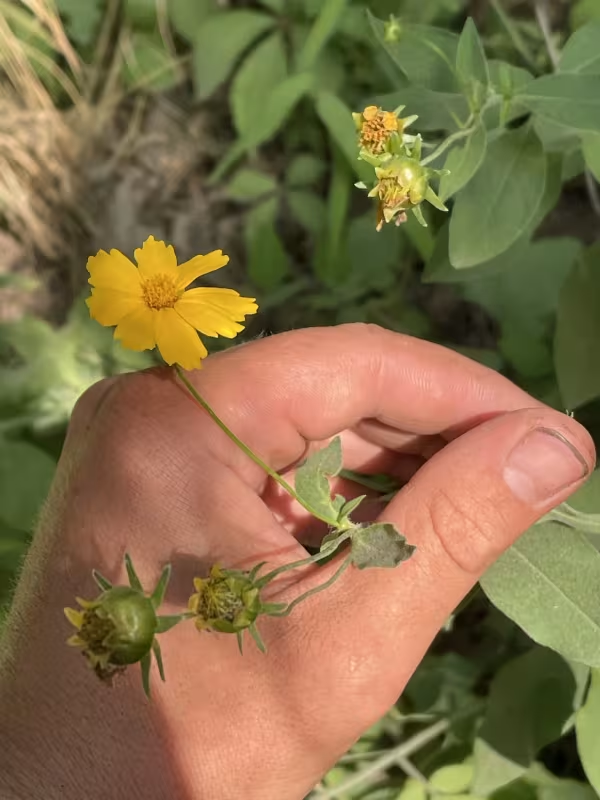
Coreopsis pubescens, commonly known as hairy coreopsis, is a perennial herbaceous plant belonging to the Asteraceae family. Native to North America, this species is highly valued in horticulture for its resilience and the vibrant, daisy-like yellow flowers it produces during the growing season.
Propagation is primarily achieved through seeds, which should be sown in early spring after the threat of frost has passed. Seeds require light to germinate, so they should be surface-sown and only lightly pressed into the soil to ensure optimal contact for moisture absorption.
For greenhouse cultivation, seeds can be started in late winter using a light, well-draining potting mix. Maintaining consistent humidity and a temperature range of 18–22°C promotes faster germination and ensures the development of robust seedlings ready for outdoor transplanting.
When transplanting, seedlings should be spaced approximately 30 to 40 centimeters apart. This spacing is critical to ensure proper air circulation around the plants, which significantly reduces the risk of foliar diseases during humid summer months.
Vegetative propagation via division of established clumps is also a viable method to expand plantings. This practice is best performed in the dormant season, either early spring or autumn, to allow the root systems to re-establish before the onset of extreme seasonal temperatures.
Growing requirements
Hairy coreopsis thrives in full sun exposure. While the plant can tolerate partial shade, maximum sunlight is required to maintain a compact, upright growth habit and to promote the most prolific and long-lasting flowering throughout the summer.
The plant demonstrates high adaptability to various soil types but performs best in well-draining, moderately fertile soils. It is particularly effective in sandy or rocky soils where many other garden flowers might struggle to establish their root systems.
Water requirements are generally low once the plants are established. The species exhibits significant drought tolerance, though supplemental irrigation during prolonged dry spells can improve the overall aesthetic quality and prolong the blooming period.
Fertilization should be kept to a minimum, as excessive nitrogen levels can lead to weak, leggy stems that require mechanical support. A single application of balanced granular fertilizer in early spring is usually sufficient to support healthy vegetative growth.
The plant is hardy in a wide range of climates and requires minimal winter protection. In colder regions, a layer of organic mulch, such as pine bark or straw, applied late in the fall can protect the root system from the damaging cycles of soil heaving caused by freeze-thaw events.
Main diseases and pests
Fungal diseases, particularly powdery mildew, are the primary health concern for this species. Increased humidity combined with poor air circulation creates an environment conducive to fungal spore germination, which can be mitigated by proper plant spacing.
Root rot remains a potential threat, especially in areas with poor drainage or heavy clay soils. Ensuring the planting site has adequate slope or a dedicated drainage system is the most effective preventative measure against the accumulation of excess water around the crown.
Common insect pests include aphids and various leaf-feeding beetles that target the succulent new growth of the plant. Monitoring for signs of insect activity, such as chlorotic leaves or deformed terminal buds, is necessary for maintaining healthy plants.
If chemical intervention becomes necessary, the use of targeted systemic insecticides or horticultural oils is recommended. These treatments should be applied carefully to avoid harming beneficial pollinators, which are frequently attracted to the nectar-rich flowers.
Cultural management, including the removal of dead foliage and spent flower stalks at the end of the season, plays a vital role in disease prevention. By reducing the accumulation of organic debris, gardeners can lower the pathogen pressure for the following spring.