
Hybrid Coreopsis
Coreopsis rosea x Coreopsis verticillata
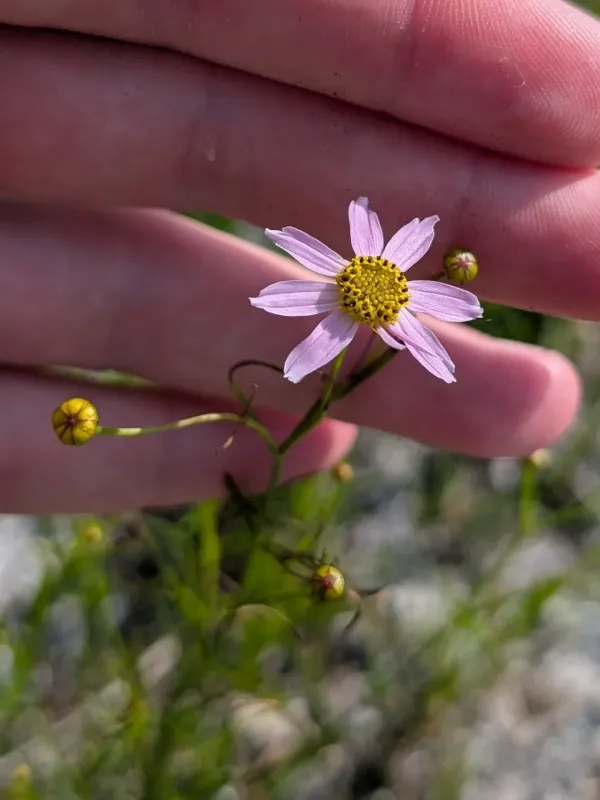
Description
Sowing dates
Hybrid Coreopsis (Coreopsis rosea x verticillata) is a perennial flowering plant belonging to the Asteraceae family, valued for its fine-textured foliage and long-lasting bloom.
Propagation is typically performed through division of the root clumps in early spring or autumn, which ensures that the resulting plants remain true to the parent variety.
For those starting from seeds, the process should be initiated indoors in late winter to ensure a robust root system before transplanting outdoors after the last frost.
The planting site should be prepared by loosening the soil to a depth of at least 20 centimeters to facilitate easy penetration and moisture regulation for the roots.
Spacing should be maintained at 30 to 45 centimeters to allow for adequate air circulation, which is critical in preventing disease development in dense clumps.
Growing requirements
This crop thrives in full sun conditions, requiring at least six to eight hours of direct sunlight daily to produce high-quality blossoms and maintain structural integrity.
The ideal soil is sandy or loamy with excellent drainage, as the plant is highly susceptible to root rot if left in standing water for extended periods.
While the hybrid is relatively drought-tolerant once established, supplemental irrigation is recommended during periods of extreme heat to maximize flower production.
A neutral to slightly acidic soil pH is preferred, and the addition of organic compost at the time of planting can significantly boost the vitality of the plant.
Maintenance involves cutting back the foliage in late autumn to promote healthy new growth in the following spring and to tidy up the garden space.
Main diseases and pests
Powdery mildew is a common fungal threat that appears as a white dust on the foliage, especially in areas with high humidity and poor air movement.
Aphids can cause significant damage by feeding on the tender buds and young leaves, potentially leading to stunted development if left untreated.
In poorly drained soils, Pythium or Phytophthora root rots can occur, resulting in wilting and sudden death of the entire plant structure.
Effective management strategies include the use of insecticidal soaps for pest control and systemic fungicides to address fungal outbreaks early.
- Monitor for leaf spotting and discoloration.
- Avoid overhead watering to keep foliage dry.
- Remove and destroy any infected plant material.
- Ensure proper site selection to avoid soggy soil.