
Commidendrum
Commidendrum
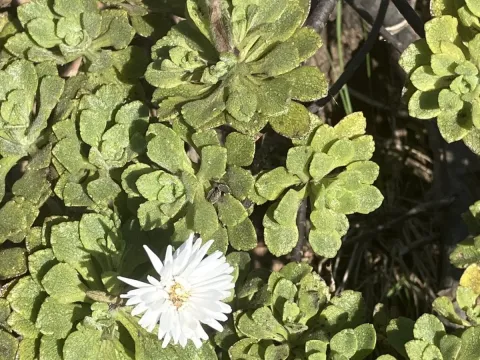
Commidendrum is a genus of woody flowering plants within the Asteraceae family. It is strictly endemic to the remote island of Saint Helena, where it serves as a keystone of the local ecosystem.
What the section contains


Commidendrum
Botanically, these plants exhibit woody stems and dense foliage, having evolved from herbaceous ancestors to fill specific ecological niches on the island.
For successful cultivation, Commidendrum requires conditions that mirror its natural maritime climate. It thrives in well-drained, nutrient-poor rocky or volcanic soils.
Agrotechnical management involves maintaining moderate temperature stability and protecting the plants from high-velocity wind exposure, which can cause mechanical damage.
The cultural use of this plant is strictly focused on biodiversity conservation. Botanical gardens prioritize its propagation to prevent extinction and study its unique evolutionary adaptations.
The primary threats to the species involve competition with invasive exotic plant species that colonize the same habitats on Saint Helena.
Grazing pressure from non-native herbivores like goats and rabbits has historically been the most significant factor reducing the population of Commidendrum.
In greenhouse or controlled environments, root rot caused by poor soil drainage remains the most frequent challenge for growers and horticulturists.
Pests such as scale insects and aphids may pose a risk to the health of young saplings, necessitating careful monitoring and early intervention.
Climate change impacts, specifically shifts in rainfall patterns on the island, threaten the long-term viability of wild populations and their natural regeneration cycles.