
Coreopsis nuecensis
Coreopsis nuecensis A. Heller
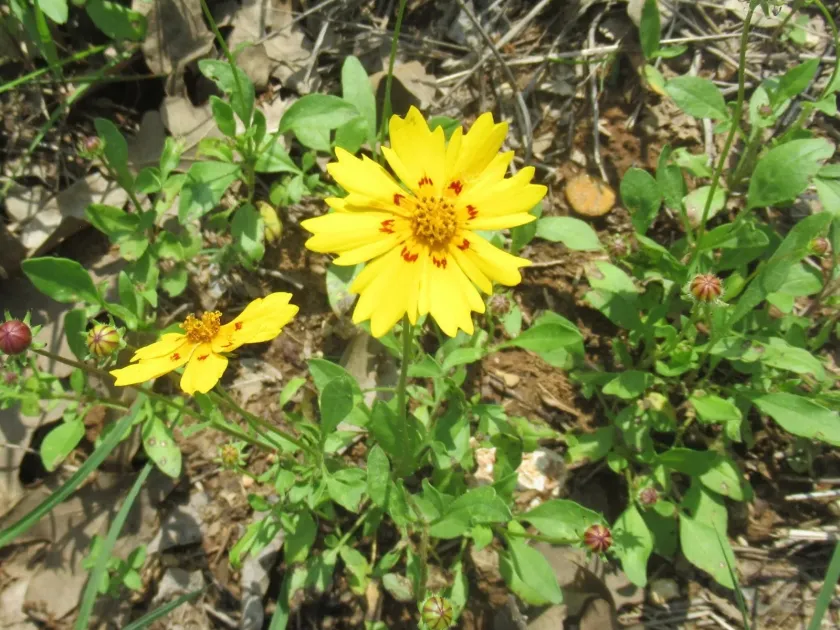
Description
Sowing dates
The seeding of Coreopsis nuecensis should be carried out in early spring, once the soil has warmed up and the risk of frost has passed.
For earlier flower production, start seeds in starter trays indoors approximately 6 to 8 weeks before the intended planting date in the field.
Seeds require light for germination, so cover them very lightly with soil or vermiculite to ensure they remain exposed to indirect sunlight.
Space the plants adequately, maintaining a distance of about 10 to 12 inches to allow for healthy development and good airflow between the plants.
Thinning out excess seedlings after the first true leaves appear is essential for maintaining the vigor of the remaining, stronger plants.
Growing requirements
As a member of the Asteraceae family, this species thrives in environments that mimic its natural habitat, characterized by sunny and open landscapes.
The plant demonstrates remarkable drought tolerance, performing best in well-draining, sandy soils rather than rich or heavily compacted earth.
Full sun exposure is a non-negotiable requirement for Coreopsis nuecensis, as it directly influences the density and duration of the flowering cycle.
Soil pH should ideally be neutral to slightly acidic, and the plant requires very little fertilization compared to more demanding garden cultivars.
Over-watering is the most common cause of failure in cultivating this species; it prefers a dry-to-moderate moisture regime throughout the growing season.
Main diseases and pests
Powdery mildew is the most frequent disease, particularly in regions with high humidity or poor air circulation around the foliage of the plants.
Aphids can cause significant damage by feeding on the sap of young buds, which may result in stunted growth and distorted, unsightly blossoms.
Root rot is almost exclusively associated with improper watering practices, specifically keeping the root zone consistently waterlogged for too long.
Spider mites may appear during periods of intense, prolonged heat, especially if the plants are stressed due to extreme dryness or lack of air movement.
Cultural management, such as removing debris and thinning dense clusters, provides the best defense against the onset of most common plant diseases.