
Pink coreopsis
Coreopsis rosea Nutt.
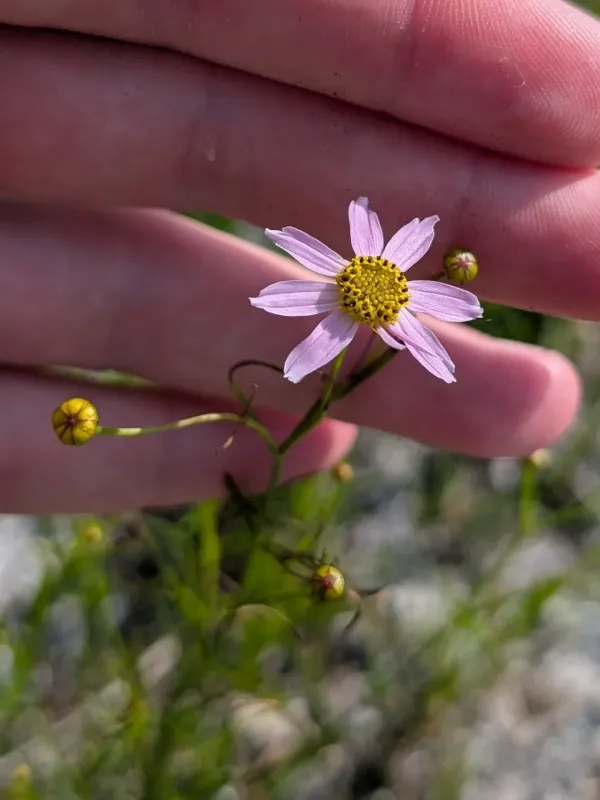
Description
Sowing dates
Pink coreopsis (Coreopsis rosea) is a charming perennial belonging to the Asteraceae family. For optimal results, seeds should be started indoors in late winter, typically February or March, to ensure established plants by the growing season.
The seeds require light to germinate, so they should be sown on the surface of the growing medium rather than being buried deep. Keep the soil consistently moist until germination, which usually occurs within two to three weeks.
Once the seedlings develop their first true leaves, they should be pricked out into individual pots. Gradual acclimatization to outdoor conditions over a week is essential before final transplanting into the garden beds.
Direct sowing outdoors is feasible in late spring once the soil temperature is sufficiently warm. Space the plants about 12 to 15 inches apart to allow for proper airflow and development of the mature, thread-like foliage.
Division is another common method of propagation, performed in early spring or autumn. This method is highly recommended for maintaining the specific characteristics of selected cultivars and ensuring vigorous plant growth.
Growing requirements
Unlike many other coreopsis species that thrive in dry conditions, Coreopsis rosea prefers moist, well-draining, and rich soils. It is particularly well-suited for areas near water features or in consistently damp garden spots.
The plant thrives in full sun to partial shade. In hotter climates, a location with afternoon shade helps prevent the plant from drying out too quickly and keeps the delicate pink flowers looking vibrant for longer.
Soil pH should be slightly acidic to neutral. Amending the soil with organic matter such as compost helps retain the necessary moisture while providing the nutrients required for a long and productive blooming season.
Regular fertilization is beneficial, particularly in the spring as the plant begins its active growth phase. A balanced, slow-release fertilizer provides steady nutrients without causing excessive vegetative growth at the expense of blooms.
During the dormant winter season, providing a layer of mulch is essential, especially in colder climates, to protect the shallow root system from extreme frost and temperature fluctuations.
Main diseases and pests
The most common disease impacting pink coreopsis is powdery mildew, which often develops in conditions of high humidity combined with poor air circulation. Proper spacing of plants is the best defense.
Pests like aphids and spider mites can sometimes infest the foliage, particularly during dry, hot weather. These insects weaken the plant by feeding on its sap, leading to yellowing leaves and reduced vitality.
Integrated pest management, including the use of neem oil or insecticidal soaps, can effectively control minor infestations. For more severe cases, targeted, environmentally-friendly insecticides may be necessary.
Sanitation practices, such as removing fallen leaves and pruning away infected plant parts, help reduce the prevalence of pathogens in the garden, preventing the carry-over of infections to the next year.
Monitoring the plants regularly allows for early detection of issues, ensuring that interventions remain small-scale and do not interfere with the plant's overall health or its attractiveness to pollinators.
Harvesting
Pink coreopsis is primarily grown for its ornamental value. It works exceptionally well in mass plantings, border fronts, and as part of a mixed perennial garden that offers a soft, airy texture.
Flowers can be cut for indoor floral arrangements when they are about half-open. Stems should be placed in clean water immediately to maintain their freshness and longevity throughout the display.
Deadheading—the removal of spent flowers—is a critical maintenance task for this species. It prevents the plant from setting seed prematurely and encourages the production of new flower buds throughout the summer.
For those interested in seed collection, allow a few late-season flowers to dry naturally on the stem. Once the seed heads turn brown and brittle, they can be harvested and stored in a cool, dry place until the next sowing season.
At the end of the gardening season, cut the entire plant back to ground level after the first hard frost. This tidy-up procedure prepares the plant for winter and ensures a fresh start in the coming spring.