
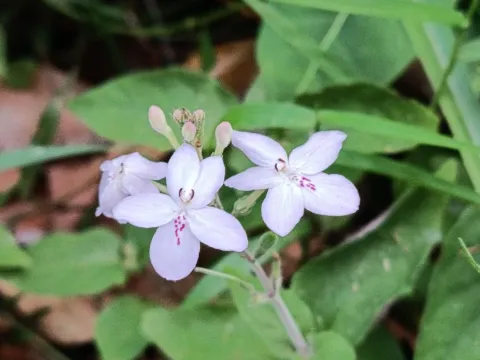
Pseuderanthemum
Pseuderanthemum
Pseuderanthemum is a genus of evergreen shrubs and herbs belonging to the Acanthaceae family. Naturally distributed across tropical regions of Africa, Asia, and the Pacific, these plants are highly valued in ornamental horticulture for their strikingly variegated foliage.
What the section contains
 Pseuderanthemum
 hybrids
Pseuderanthemum
Pseuderanthemum hybrids
 Pseuderanthemum alatum
Pseuderanthemum alatum
Pseuderanthemum alatum
 Pseuderanthemum bicolor
Pseuderanthemum bicolor
Pseuderanthemum bicolor
 Pseuderanthemum graciliflorum
Pseuderanthemum graciliflorum
Pseuderanthemum graciliflorum
 Pseuderanthemum laxiflorum
Pseuderanthemum laxiflorum
Pseuderanthemum laxiflorum
 Pseuderanthemum longifolium
Pseuderanthemum longifolium
Pseuderanthemum longifolium
 Variable flower
Pseuderanthemum variabile
Variable flower
Pseuderanthemum variabile
 Yellow-vein eranthemum
Pseuderanthemum maculatum
Yellow-vein eranthemum
Pseuderanthemum maculatum
Pseuderanthemum
Botanically, the plant is known for its opposite leaf arrangement and tubular flowers typically appearing in spike-like clusters. The most popular species are grown for their colorful leaves, which exhibit dramatic patterns of purple, pink, white, and various shades of green.
Climate requirements include a warm, humid environment, as these plants are not frost-hardy. Consistent temperatures ranging between 20°C and 25°C are ideal for maintaining vigorous growth throughout the year, as temperature fluctuations can cause significant leaf drop.
The soil should be nutrient-rich, well-draining, and slightly acidic to neutral. A mixture of peat, perlite, and organic compost is recommended to ensure the roots receive adequate oxygen while maintaining sufficient moisture levels for optimal plant health.
Light requirements are strict: bright, filtered light is necessary to preserve the vivid colors of the foliage. Too little light causes the leaves to turn solid green, while direct midday sun can result in severe leaf scorch, ruining the plant's aesthetic value.
Common pests affecting Pseuderanthemum include spider mites, which thrive in low-humidity environments. Regular misting of the foliage and maintaining proper ambient humidity are effective cultural practices to discourage these pests from establishing colonies.
Scale insects and mealybugs are other major threats that weaken the plant by feeding on sap. Early detection is crucial, and treatment involves the application of appropriate systemic insecticides or mechanical removal with a cotton swab soaked in rubbing alcohol.
Root rot is the most frequent disease, usually resulting from overwatering or inadequate soil drainage. Symptoms include wilting, yellowing of the leaves, and a mushy stem base, often requiring the plant to be repotted and damaged tissue removed.
Poor ventilation can promote the growth of fungal pathogens on the leaf surfaces, especially in densely planted indoor environments. Providing adequate air circulation and keeping foliage dry during the evening helps mitigate these risks.
Nutrient deficiency symptoms, such as interveinal chlorosis, should be addressed with balanced liquid fertilizers during the growing season. Proper fertilization strengthens the plant's physiological condition, making it more resilient against biological threats.