
Pseuderanthemum alatum
Pseuderanthemum alatum
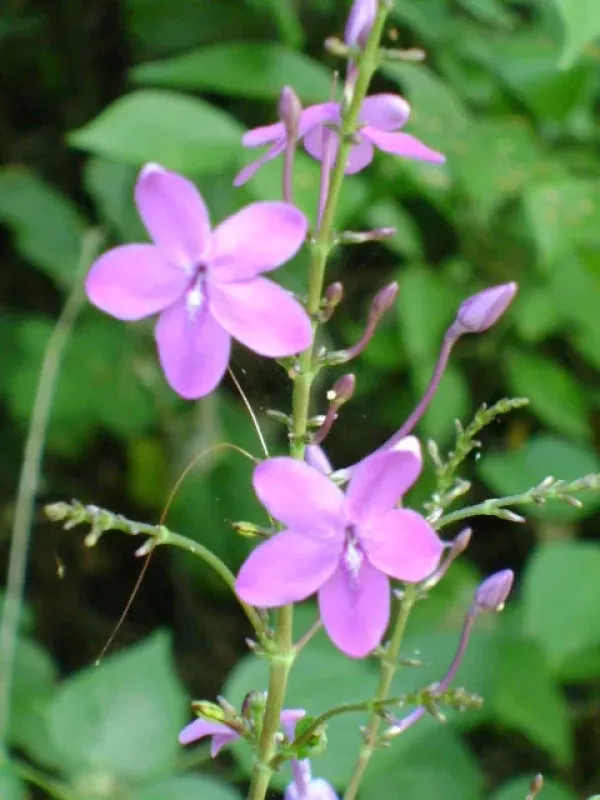
Description
Growing requirements
Pseuderanthemum alatum is an evergreen perennial shrub belonging to the Acanthaceae family, known for its striking foliage and elegant structure. Native to the tropical regions of Central and South America, it thrives in warm, humid forest environments, making it a popular choice for indoor decorative cultivation.
The plant requires a consistently warm climate with temperatures between 20°C and 25°C to maintain vigorous growth. It is highly sensitive to cold drafts and sudden drops in temperature, which can lead to leaf loss or stress; therefore, it is usually grown in controlled indoor or greenhouse environments.
Soil quality is paramount for the health of this species. It prefers a rich, well-draining potting mix that retains moisture without becoming waterlogged. A mixture of peat moss, perlite, and organic compost is generally recommended to provide the necessary structure and nutrients for optimal development.
High humidity levels are essential for Pseuderanthemum alatum, as the dry air typical of modern residential heating can cause leaf edges to brown and curl. Maintaining a humidity level of at least 60% through regular misting or using a humidifier significantly improves the plant's aesthetic quality.
Bright, indirect light is the preferred exposure for this crop. While it needs ample light to maintain its color and growth rate, direct afternoon sun can cause severe scorching on the leaves. Placing the plant near a window with a sheer curtain is an excellent strategy to provide diffused light.
Main diseases and pests
Common pests that affect Pseuderanthemum alatum include spider mites, mealybugs, and aphids, which thrive in low-humidity conditions. Regular monitoring of the undersides of the leaves is critical, as these pests can reproduce rapidly and cause significant damage to the plant's delicate tissues.
Overwatering is the leading cause of root rot in this species. When the soil remains excessively wet for long periods, roots fail to receive oxygen and begin to decompose. Symptoms include yellowing leaves and a general lack of turgor, which often requires repotting and soil replacement to correct.
Fungal infections can occur when air circulation is poor and humidity remains trapped around the foliage for too long. To mitigate this risk, it is important to keep the environment well-ventilated and avoid wetting the leaves during evening hours when they have less time to dry out before nightfall.
Preventive maintenance includes cleaning the leaves with a damp cloth to remove dust, which facilitates gas exchange and helps spot pests early. Using sterile potting tools and soil prevents the introduction of soil-borne pathogens that could compromise the plant's health during its active growing phase.
If chemical interventions are necessary, choosing horticultural soaps or neem oil is often sufficient for minor infestations. For more severe cases, systemic insecticides may be required, but one must follow product labels carefully to ensure the safety of the plant and the surrounding living environment.