
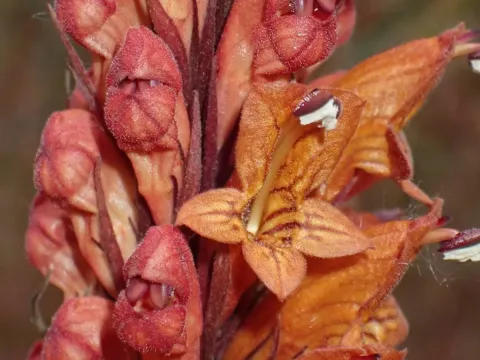
Phlogacanthus
Phlogacanthus
Propagation of Phlogacanthus is primarily achieved through stem cuttings in commercial nurseries, which ensures the consistency of desired traits. Spring is the optimal time for taking cuttings when the plant shows active growth.
What the section contains

Phlogacanthus
Seed propagation is also a viable method, requiring a stable germination temperature between 22 and 25 degrees Celsius. Seeds should be sown in a well-draining, peat-based substrate to prevent fungal issues.
For outdoor cultivation in suitable tropical zones, seedlings should be hardened off before being transplanted into the field. This helps them adapt to the environmental variables of the growing area.
Planting density should be managed to ensure adequate spacing, generally 50–70 cm apart, allowing each plant sufficient room for canopy development and air circulation.
Post-transplantation care involves maintaining consistent moisture levels and providing a light shade to allow the root system to establish without excessive stress from the sun.
Phlogacanthus is a member of the Acanthaceae family, native to the tropical regions of Southeast Asia. It thrives in high-temperature environments where the climate remains warm throughout the year.
The soil must be fertile, rich in organic matter, and possess excellent drainage properties. While the plant requires significant moisture, waterlogged soil must be avoided at all costs to protect roots.
Light requirements are best met with bright, filtered sunlight. Exposure to harsh, direct midday sun can result in leaf scorching and reduced metabolic activity in the plant's tissues.
Humidity is a vital factor for Phlogacanthus. In settings where ambient humidity falls below 60%, supplemental moisture or misting systems are necessary to maintain vigorous health.
Fertilization regimes should prioritize a balanced NPK ratio during the vegetative phase. Micronutrients are also essential to ensure the development of healthy, dense flower spikes.
The economic yield of Phlogacanthus is primarily derived from its medicinal and ornamental value. The chemical constituents found in the leaves and floral structures are highly sought after.
Yield efficiency is directly linked to the intensity of management practices. Regular, selective pruning of the stems encourages the growth of new, vigorous flowering shoots throughout the season.
For the pharmaceutical industry, the timing of the harvest is critical to ensure high concentrations of bioactive compounds. Monitoring the growth cycle allows for optimal harvesting windows.
Advanced agricultural practices, such as controlled environment agriculture, have demonstrated potential in increasing the biomass yield of Phlogacanthus by providing a perfectly regulated habitat.
Proper post-harvest handling is essential to maintain the quality of the raw material, ensuring that it remains free from degradation and retains its commercial value for the end consumer.
Typical threats include common sap-sucking pests like spider mites and whiteflies, which proliferate in environments with low humidity. These pests can rapidly weaken the plant by draining its fluids.
Fungal pathogens such as root rot and leaf spot are major threats, especially in poorly ventilated or excessively humid conditions. Strict adherence to proper irrigation practices is the first line of defense.
Integrated Pest Management (IPM) strategies are recommended to manage these threats effectively. Using biological controls helps protect the plant without relying on synthetic chemicals that could taint the crop.
Routine scouting is essential to identify early signs of stress or infestation. Quick intervention, including the removal of infected plant material, prevents the spread of pathogens across the farm.
Hygiene protocols, including cleaning tools and sanitizing working areas, are fundamental to preventing the introduction of pathogens into the Phlogacanthus production zone.
Harvesting should be synchronized with the peak blooming period for flower-based products or during the maximum vegetative development for leaf-based medicinal raw materials.
The use of sharp, sterilized blades for harvesting ensures clean cuts, which minimizes the risk of infection and promotes rapid healing of the remaining plant tissue.
Post-harvest processing involves moving the collected material to a cool, dry area immediately. Exposing raw materials to direct sunlight after harvest can cause rapid degradation of its beneficial components.
The drying process must be meticulously controlled to maintain a temperature range that prevents the denaturation of active chemical compounds while removing sufficient moisture for preservation.
Once dried, the product should be stored in moisture-proof, light-resistant packaging. This ensures the longevity and potency of the Phlogacanthus harvest during transport and storage.