
Rostellularia
Rostellularia
Rostellularia is a genus of flowering plants within the Acanthaceae family. These plants are native to the tropical and subtropical regions of Asia, Africa, and Australia, flourishing in diverse habitats ranging from grasslands to riverbanks where soil moisture is sufficient.
What the section contains


Rostellularia
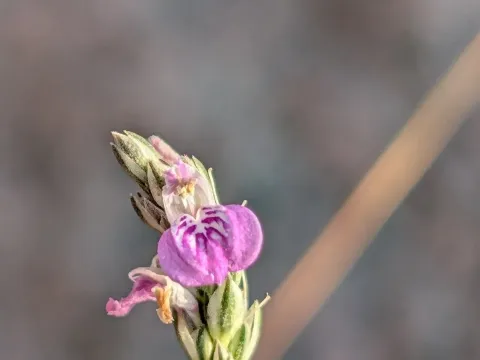
Botanically, Rostellularia is distinguished by its opposite, simple leaves and spike-like terminal inflorescences. The flowers are typically tubular or bilabiate, reflecting the characteristic morphology of its family members, which allows for pollination by a variety of insects.
Cultivation of Rostellularia requires specific environmental conditions, primarily warm temperatures and well-drained soil. It thrives in locations with high sunlight intensity, although it can adapt to partial shade depending on the specific species and local climate conditions.
In terms of agricultural utility, the plant is primarily regarded for its ecological role as a cover crop, which helps mitigate soil erosion in tropical climates. Its rapid growth cycle allows for quick land coverage, making it an efficient tool for soil stabilization.
For optimal growth, regular irrigation is advised during the dry season, while drainage systems must be kept clear to prevent waterlogging. The plant responds well to moderate nutrient availability, often requiring minimal fertilization if the soil structure is adequate.
Like many species in the Acanthaceae family, Rostellularia is susceptible to fungal pathogens if the growing environment becomes overly humid. Root rot remains the most significant threat to plant health, requiring strict irrigation management strategies.
Pests, particularly aphids and caterpillars, can significantly damage the foliage and impede the development of the plant. Field monitoring is essential for early detection, and integrated pest management (IPM) is strongly recommended over heavy chemical application.
Weed competition is a notable hurdle during the early establishment phase. Given that the plant has a relatively low growth habit, manual or mechanical weeding is necessary to ensure the crop receives sufficient sunlight and nutrients to establish dominance.
Environmental stress, such as extreme temperature fluctuations, can further weaken the plant's natural resistance to diseases. Maintaining soil health and optimal pH levels is crucial for sustaining a robust crop capable of withstanding common field pathogens.
Sustainable agricultural practices, such as crop rotation and the use of organic amendments, are effective strategies to prevent the buildup of soil-borne diseases in fields where Rostellularia is grown continuously over several seasons.