
Pseuderanthemum bicolor
Pseuderanthemum bicolor
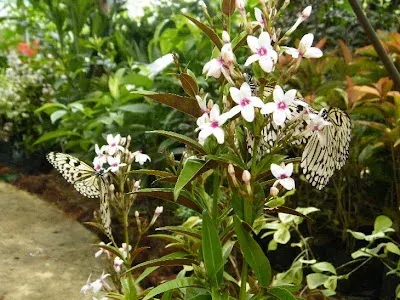
Description
Growing requirements
Pseuderanthemum bicolor is a distinct member of the Acanthaceae family, natively originating from the tropical regions of Southeast Asia, where it grows as an evergreen perennial.
The plant thrives in warm tropical conditions, requiring steady temperatures ranging between 20°C and 25°C. Exposure to cold drafts or temperatures below 15°C can cause significant stress or leaf drop.
Optimal growth depends on a well-draining, nutrient-rich potting medium. A mixture of peat-based soil with added perlite ensures proper oxygenation of the root system and prevents moisture retention.
Bright, indirect light is essential for maintaining the plant's vibrant leaf colors. Direct sunlight is generally too intense and can easily scorch the delicate foliage during peak afternoon hours.
High humidity is a critical requirement for this species. It is recommended to use pebble trays with water or mechanical humidifiers to maintain a consistent environment of at least 60% humidity.
Main diseases and pests
The most frequent threats to the health of Pseuderanthemum bicolor are sap-sucking pests, specifically spider mites and mealybugs, which thrive in low-humidity indoor environments.
Regular monitoring of the foliage, particularly the undersides of leaves, is necessary. If an infestation is detected, insecticidal soaps or neem oil solutions are effective control measures.
Root rot is the most common physiological issue, usually resulting from overwatering or inadequate soil drainage, leading to the rapid decay of the plant's vascular system.
Cultural control methods involve ensuring proper air circulation around the canopy and allowing the top layer of the substrate to dry out slightly before the next watering session.
Fungal leaf spots can occur if the foliage is kept excessively wet for long periods. Keeping the leaves dry during watering and improving ventilation is the best preventive strategy.