
Phaulopsis
Phaulopsis
The genus Phaulopsis consists of perennial herbaceous plants belonging to the Acanthaceae family. These species are adapted to specific environmental conditions in tropical and subtropical zones of Africa and Asia.
What the section contains


Phaulopsis
Plants of this genus prefer semi-shaded areas in forests where high air humidity is maintained. In their natural habitat, they are often found in the understory where the soil is rich in organic matter and humus.
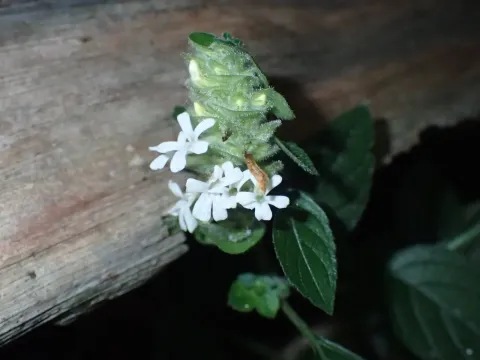
Botanically, Phaulopsis is characterized by oppositely arranged leaves and specific inflorescences—spikes protected by bracts. The flowers are generally small, white or pale pink, which is typical for many members of the Acanthaceae family.
For successful development, the crop requires stable temperature conditions in the range of +22 to +28 degrees Celsius. The plant is extremely sensitive to frost and sudden changes in night temperatures, which can lead to the death of the vegetative parts.
Soils for cultivation should have a slightly acidic or neutral reaction (pH 6.0–7.0). Proper drainage is an essential factor, as water stagnation in the root system triggers the development of fungal rot and suppresses the growth of the aerial part.
The main threats to Phaulopsis representatives are associated with high humidity and poor air circulation, which provoke the development of powdery mildew and various types of leaf spot diseases.
In greenhouses or specific climatic conditions, the crop can be attacked by spider mites and aphids, which feed on the sap of young shoots, causing their deformation and stunted growth.
Control measures against diseases include the use of broad-spectrum fungicides at the first signs of infection, as well as maintaining a strict watering regimen to prevent substrate waterlogging.
Pests most often attack plants during periods of prolonged drought when the plant's local immunity decreases. Preventive treatment with biological agents allows for minimizing losses without excessive chemical load on the soil.
An important aspect of crop management is regular inspection of the underside of the leaves, where pests prefer to lay eggs, allowing for the timely containment of parasite infestation centers.