
Pseuderanthemum
Pseuderanthemum hybrids
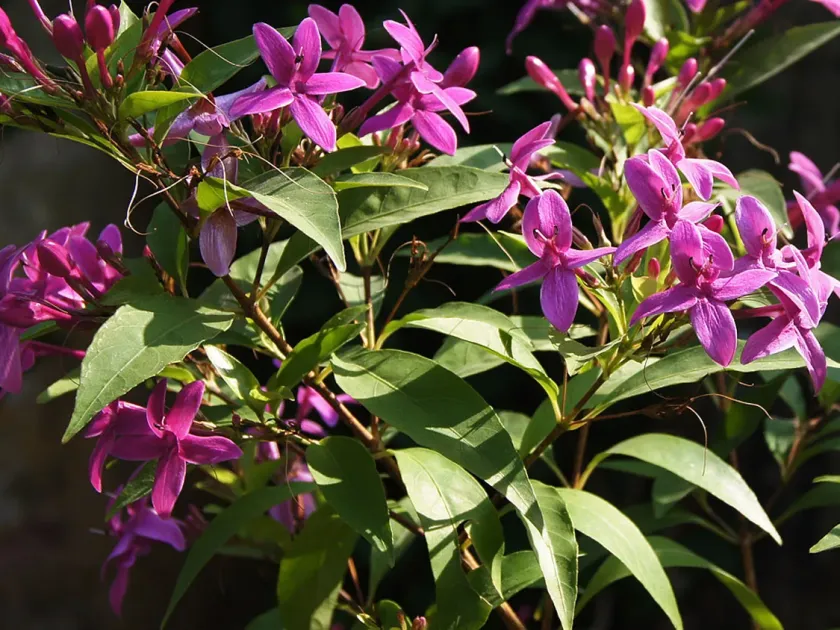
Description
Growing requirements
Pseuderanthemum is a genus of tropical shrubs and subshrubs belonging to the Acanthaceae family. Originally native to tropical regions of Asia, Polynesia, and the Americas, these plants are prized in cultivation for their spectacular, often variegated foliage.
Cultivation requires bright, indirect light to maintain the vibrant colors of the leaves. Direct sun exposure should be avoided as it can scorch the foliage, while insufficient light leads to leggy growth and loss of leaf pigmentation.
The ideal growing medium for this culture is a well-draining, nutrient-rich potting mix. A combination of peat, leaf mold, and perlite or sand ensures sufficient aeration for the sensitive root system, preventing compaction over time.
Temperature management is crucial, as the plant prefers tropical conditions ranging from 22°C to 25°C during the growing season. It should be kept away from cold drafts and winter temperatures below 16°C to avoid metabolic stress.
High humidity is essential for Pseuderanthemum. In indoor or greenhouse environments, regular misting, the use of pebble trays, or mechanical humidifiers are necessary to keep the relative humidity above 50-60%.
Main diseases and pests
Spider mites are the most frequent threat to the plant, especially in low-humidity environments. They cause stippling on the leaves and eventually lead to leaf drop if not addressed with consistent misting or acaricides.
Scale insects often colonize the stems and the undersides of leaves. These pests are resilient, often requiring manual removal followed by systemic insecticide applications to fully eradicate the infestation.
Aphids can target the tender new growth of the plant. Their presence leads to deformed leaves and the production of honeydew, which may subsequently attract sooty mold if not treated promptly.
Root rot is a common physiological problem caused by overwatering or poor drainage. It presents as yellowing leaves and a decaying root system, emphasizing the need for a strict watering schedule based on soil moisture.
Overall plant health is best maintained through integrated pest management: monitoring for signs of infestation, ensuring adequate airflow between plants, and practicing proper sanitation in the growing area.