
Pseuderanthemum graciliflorum
Pseuderanthemum graciliflorum
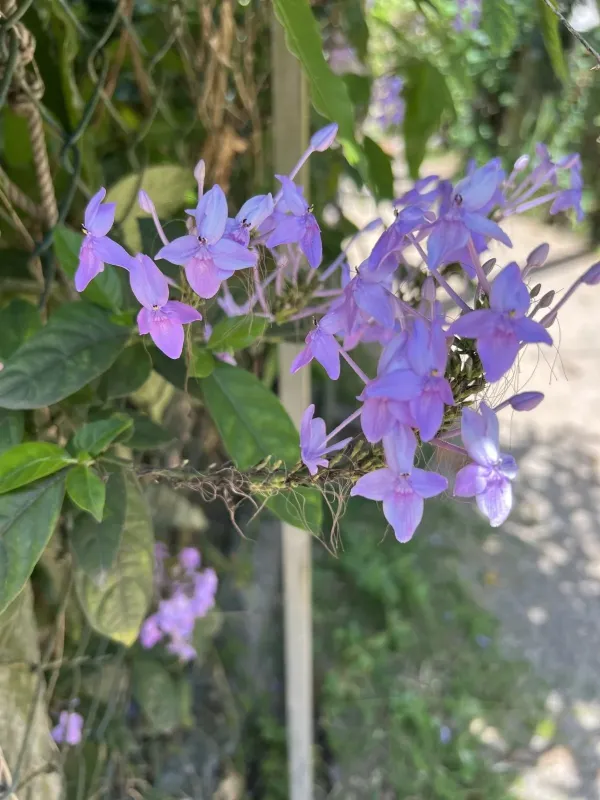
Description
Growing requirements
Pseuderanthemum graciliflorum is an evergreen perennial shrub belonging to the Acanthaceae family. Originating from the tropical regions of Southeast Asia, it thrives in warm, humid forest environments that provide stability throughout the year.
The cultivation of this species requires well-drained, nutrient-rich soil with an acidic to neutral pH level. Proper drainage is essential to avoid waterlogging, which the plant is highly sensitive to, especially during the dormant season.
Regarding light, this plant prefers bright, indirect light conditions. While it can tolerate some shade, insufficient light will result in leggy growth and reduced vibrancy in foliage coloration, which is a key decorative feature.
Temperature management is crucial; the plant requires an environment consistently above 20 degrees Celsius. It is highly susceptible to chilling injury, so draft-free areas are recommended for optimal indoor or greenhouse growth.
Maintenance includes regular irrigation using filtered water to ensure the soil remains moist but not saturated. Foliar feeding and regular nitrogen-based fertilization during the growing season promote vigorous leaf development and structural integrity.
Main diseases and pests
The primary pests affecting Pseuderanthemum graciliflorum are spider mites, which flourish in low-humidity environments. These pests cause chlorotic spots on the leaves and eventually lead to complete leaf senescence if untreated.
Mealybugs are another common threat, often settling in the leaf axils and stems. Physical removal combined with the application of horticultural oils or systemic insecticides is the standard practice for management.
Root rot, primarily caused by Pythium or Phytophthora species, is the most destructive disease for this culture. It occurs when the soil structure is too dense or irrigation frequency exceeds the plant's evapotranspiration rates.
Fungal leaf spots can occur when air circulation is poor and leaves remain wet for extended periods. Improving ventilation and avoiding overhead irrigation are the primary methods for disease prevention in greenhouse settings.
Monitoring for signs of pest infestation or nutrient deficiency is essential for crop health. Early detection and targeted treatment ensure the longevity of the plant and maintain its aesthetic quality within the collection.