
Pseuderanthemum longifolium
Pseuderanthemum longifolium
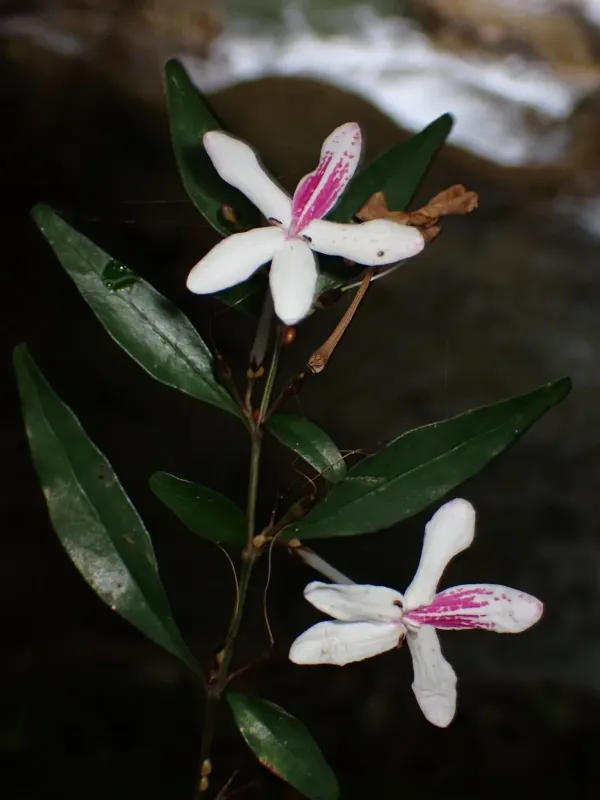
Description
Growing requirements
Pseuderanthemum longifolium is a member of the Acanthaceae family, a group of plants well-known for their ornamental foliage. This species originates from the tropical regions of Southeast Asia, where it thrives in the understory of dense, humid forests.
Botanically, it is characterized by long, slender, lanceolate leaves and a tendency to grow as a bushy perennial shrub. The plant requires significant warmth and consistent moisture to maintain its vibrant leaf structure and overall vigor in controlled environments.
Regarding climatic requirements, the plant demands temperatures between 18°C and 26°C. It is intolerant of cold drafts and frost, making it suitable exclusively for tropical landscapes or indoor greenhouse environments in temperate climates.
The soil must be rich in organic matter, loose, and slightly acidic. Proper drainage is essential; since the plant prefers consistently moist soil, any waterlogging leads to rapid decay of the fine root system. Frequent application of balanced liquid fertilizer during the growth phase supports development.
The agricultural and ornamental use of Pseuderanthemum longifolium focuses on its aesthetic value as an indoor foliage plant. It is widely utilized in interiorscaping to add a lush, tropical touch to offices, conservatories, and private collections.
Main diseases and pests
Common pests include spider mites and mealybugs, which are particularly attracted to the plant when ambient humidity levels drop too low. Regular misting and proper plant spacing are effective ways to minimize the risk of infestations.
Diseases are mostly linked to poor cultural practices, primarily overwatering leading to root rot. Additionally, fungal leaf spots may occur if water remains on the foliage in cool, poorly ventilated conditions, emphasizing the need for proper environmental management.