
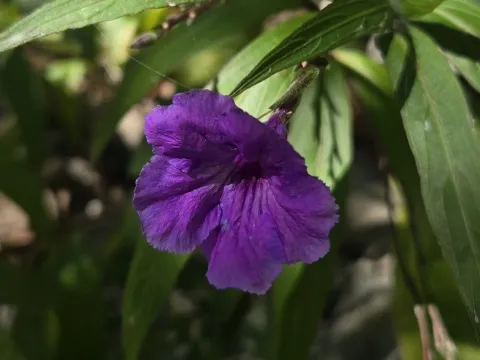
Ruellia
Ruellia L.
Ruellia is a diverse genus of flowering plants belonging to the Acanthaceae family. Naturally distributed throughout tropical and subtropical regions worldwide, these plants are known for their resilience and decorative value in both domestic and controlled agricultural environments.
What the section contains


Ruellia
The crop requires warm and humid conditions to thrive, with preferred temperature ranges between 20°C and 27°C. Being a tropical native, it does not tolerate frost, and sustained exposure to temperatures below 12°C can result in permanent physiological damage.
Soil composition must be rich in organic matter and possess excellent drainage capabilities. A pH level ranging from 6.0 to 7.0 is ideal for nutrient uptake, and the substrate should be kept consistently moist but never waterlogged to ensure root health.
Light intensity plays a crucial role in the flowering process. While the plants prefer bright, indirect sunlight, they can adapt to partial shade, which is often recommended in regions with extremely high solar radiation to prevent leaf scorch.
Agronomic management includes regular fertilization using balanced NPK fertilizers during the growing season. Pruning is also essential to maintain a bushy growth habit and to stimulate the development of new flowering stems throughout the year.
Common pests encountered in Ruellia cultivation include spider mites, mealybugs, and whiteflies. These insects typically proliferate in environments with low humidity, necessitating regular monitoring of the foliage and preventive treatments.
Fungal infections, specifically those affecting the root system, are the primary threats. These are usually caused by over-irrigation or inadequate drainage, leading to the development of Pythium or Phytophthora, which can be mitigated by careful watering practices.