
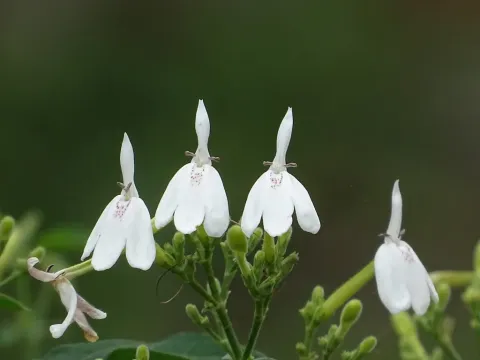
Rhinacanthus
Rhinacanthus
Rhinacanthus is a perennial shrub belonging to the Acanthaceae family. In agricultural practices, its propagation is typically carried out through cuttings or seedlings, as the seeds require specific temperature conditions to germinate effectively.
What the section contains

Rhinacanthus
The optimal time for starting cultivation in tropical or subtropical regions is at the beginning of the rainy season. Seed sowing should be conducted in a protected environment with soil temperatures not lower than 25–28°C to ensure uniform sprouting.
Vegetative propagation via cuttings is the preferred method for commercial production. Cuttings are planted in prepared substrates with high humidity and moderate shading, allowing for healthy planting material to be obtained within 4 to 6 weeks.
Transplanting young plants to their permanent location is performed once the seedlings reach a height of 15–20 cm. During this process, it is necessary to maintain a spacing of approximately 50–70 cm between plants to ensure adequate air circulation.
Soil preparation requires the application of organic fertilizers before planting. The soil must be well-drained and maintain a slightly acidic to neutral pH, which promotes rapid root system development for the shrub.
Rhinacanthus is a heat-loving crop that is extremely sensitive to frost. The ideal temperature range for active growth is between 22–32°C; if temperatures fall below 15°C, plant development slows down significantly.
The crop prefers sunny locations with light shading during the hottest hours of the day. Excessive direct sunlight can cause leaf scorch, so intensive farming often utilizes shade nets to regulate light intensity.
Soil requirements include high moisture retention combined with mandatory drainage. Waterlogging in the root zone is detrimental to Rhinacanthus and leads to rapid development of root rot, which must be considered when selecting a site.
Regular irrigation is a critical factor during the intensive growth period. In dry periods, heavy watering is required, but the soil must be allowed to dry slightly between watering sessions to ensure oxygen access to the roots.
Air humidity is an important aspect that should be maintained at 70–80%. In commercial greenhouses, sprinkler or misting systems are often used to maintain the necessary microclimate for the plants.
The economic efficiency of cultivating Rhinacanthus lies in harvesting the biomass of leaves and roots, which contain the valuable compound known as rhinacanthin. Yield depends on the age of the shrub, planting density, and regular fertilization.
The first commercial harvest of green biomass can take place 8–12 months after planting. Harvesting mainly involves young, leafy shoots, which possess the highest concentration of active compounds in their tissues.
The roots of the plant are of particular value to the pharmaceutical industry and are harvested in the 2nd or 3rd year of the plant's life. Total raw material yield is directly correlated with the number of sunny days and balanced mineral nutrition.
Using intensive cultivation technologies, the average dry leaf mass yield ranges from 2 to 4 tons per hectare, depending on the frequency of cuts. This makes the crop promising for small-scale farming operations.
Regular pruning stimulates branching, which significantly increases the total weight of the harvest. Skillful canopy management allows for harvesting raw material twice a year without compromising the longevity of the plantation.
While the plant possesses natural antibacterial properties, it remains vulnerable to a range of specific pests in the tropical belt. The primary danger comes from spider mites, which infest leaves during hot, dry weather.
Aphids can colonize the tips of young shoots, sucking sap and stunting plant growth. To combat these, biological control methods are applied, including the use of insecticidal soap or predatory entomophages.
Fungal diseases, such as powdery mildew, can develop under high humidity and poor ventilation. Prevention consists of timely pruning of the shrubs and adherence to the recommended planting density.
Root rots, including phytophthora, are a result of soil waterlogging or the use of low-quality planting material. Affected specimens must be removed from the field immediately to prevent the spread of the infection.
Nematodes can attack roots in sandy soils, which is why the use of cover crops is recommended before establishing a Rhinacanthus plantation. Comprehensive monitoring of plant health is the foundation of successful agricultural production.
Leaf harvesting is carried out in the early morning hours, when the concentration of active substances in the plant is at its peak. To preserve medicinal properties, the raw material is immediately sent for drying in ventilated rooms at temperatures not exceeding 40°C.
When harvesting roots, the plant is carefully dug up, cleaned of soil residues, and washed with running water. Further processing includes cutting the roots into fragments and drying them in natural conditions or specialized chambers.
The quality of the harvested material is determined by its color and the absence of mold or mechanical impurities. Storing the dried material should be done in airtight containers, protected from direct sunlight and high humidity.
It is important to follow a harvesting schedule so as not to weaken the shrub before the dormancy period or unfavorable weather conditions. The final harvest of the year should occur at least two months before expected cold weather.
The use of modern drying complexes allows for reducing the loss of beneficial substances during processing. Standardization of harvesting and primary processing is the key to ensuring products meet pharmacopeial requirements.