
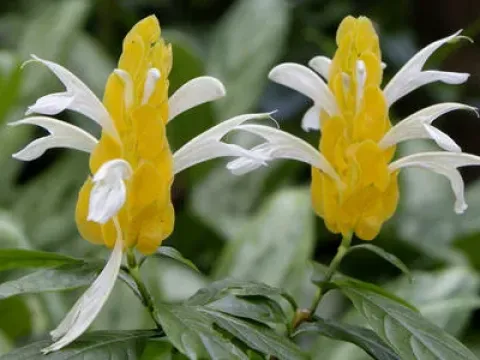
Pachystachys
Pachystachys
Pachystachys is an ornamental plant species belonging to the Acanthaceae family. Originating from the tropical regions of Central and South America, it is prized for its unique, spike-like flowering structures.
What the section contains


Pachystachys
The plant thrives in warm, humid climates, requiring consistent temperatures between 18°C and 25°C. Exposure to sudden temperature drops or cold drafts should be avoided to prevent leaf drop.
Light management is crucial for this crop. Pachystachys requires bright, indirect light to maintain its vibrant leaf color and promote the development of its signature golden bracts.
The soil should be a well-draining, nutrient-rich potting mix. A balance of peat moss, perlite, and organic compost ensures optimal aeration and moisture retention for healthy root development.
Regular fertilization during the active growing season is essential for vigorous growth. A balanced liquid fertilizer applied every two weeks helps support continuous flowering and structural integrity.
Common pests affecting Pachystachys include spider mites and mealybugs. These pests thrive in dry indoor environments and can quickly sap the plant's vitality if left unchecked.
Root rot is the most significant threat caused by poor drainage or overwatering. Maintaining a consistent watering schedule where the top layer of soil dries out slightly is the best preventative measure.
Aphids can occasionally infest the growing tips of the plant. Monitoring the underside of the leaves and new growth regularly allows for early detection and rapid intervention.
Fungal issues such as leaf spot may occur if air circulation is insufficient. Ensuring proper spacing between plants and good ventilation helps minimize these risks significantly.
Integrated pest management, including the use of neem oil or insecticidal soap, is highly effective for maintaining a healthy crop throughout the growth cycle.