
Thalia dealbata
Thalia dealbata
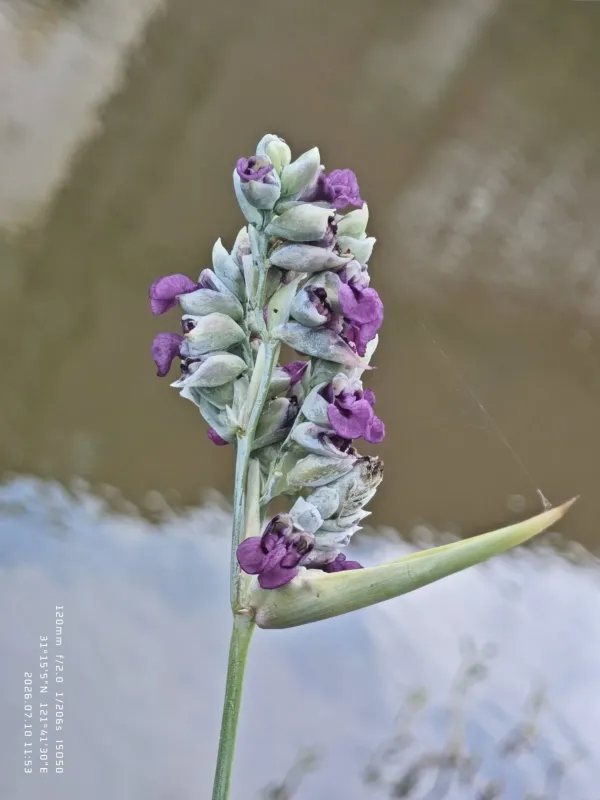
Description
Sowing dates
Sowing seeds of Thalia dealbata is best done in the spring once water temperatures are consistently warm. Seeds often benefit from soaking in warm water to break dormancy before planting.
Plant the seeds in a nutrient-rich substrate composed of peat and sand. Submerge the containers in shallow water to ensure constant moisture, which is essential for germination.
Maintain an ambient temperature between 22 and 25 degrees Celsius for optimal results. It is vital to ensure that the soil surface remains moist at all times until seedlings emerge.
Once the seedlings are robust enough, they can be transplanted into larger containers or placed directly into the water. Ensure the growing point remains above the water level.
Division of rhizomes is another highly effective method for propagation. This is often preferred by gardeners to ensure faster establishment of mature, decorative plants.
Growing requirements
Thalia dealbata is a stunning perennial aquatic plant belonging to the Marantaceae family. Native to the southern United States, it thrives in wetland habitats and boggy soil conditions.
The plant requires full sun to partial shade for optimal health. Exposure to direct sunlight ensures the development of its distinctive blue-green foliage and elegant white-to-violet inflorescences.
It prefers fertile, loamy soil with high organic content. Incorporating clay into the potting mix helps retain essential nutrients, mimicking the natural silt-rich environment of its origin.
Protection from high winds is necessary to prevent physical damage to the large, papery leaves. In cooler climates, the plant must be protected during winter or moved to an indoor environment.
The water pH should ideally be neutral or slightly acidic. Consistent water depth is crucial, as the plant cannot tolerate the drying out of its root system during the growing season.
Main diseases and pests
The primary threat to Thalia dealbata is cold stress. Early autumn frosts or freezing water can damage the foliage significantly and cause the death of the above-ground biomass.
Stagnant water conditions can lead to fungal issues and root rot. Keeping the water clean and ensuring a gentle movement of water helps mitigate these health risks.
Pests such as aphids or spider mites may occasionally infest the leaves, particularly in indoor or greenhouse settings. Regular inspection and natural treatments are usually sufficient.
Rhizomes can be vulnerable to damage from burrowing animals or aquatic pests. Using protective mesh baskets during planting is an effective preventative measure against such damage.
Nutrient deficiencies often manifest as chlorosis or stunted leaf development. Applying aquatic-safe fertilizers at appropriate intervals is key to maintaining vibrant, healthy plant growth.