
Stromanthe thalia
Stromanthe thalia
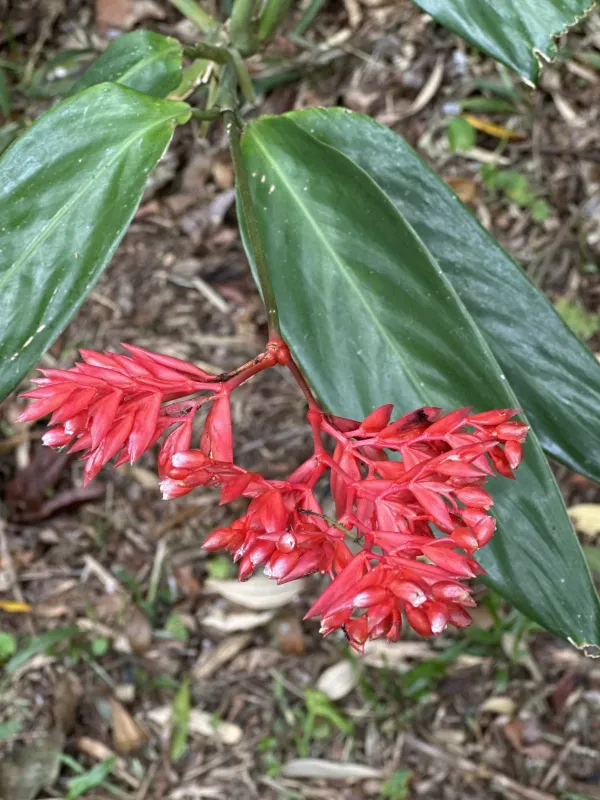
Description
Growing requirements
Stromanthe thalia is a perennial herbaceous plant belonging to the Marantaceae family. Originally native to the tropical rainforests of Brazil, this crop is well-known for its striking foliage and requires specific environmental conditions to thrive as an ornamental specimen.
The optimal temperature range for this species is between 20°C and 25°C. It is extremely sensitive to cold drafts and significant temperature fluctuations, which can cause leaf curling or systemic stress that negatively affects its growth rate and overall vitality.
Cultivation requires a well-draining, nutrient-rich soil mix with a slightly acidic pH. A combination of peat moss, leaf mold, and perlite is recommended to provide adequate aeration and water retention, preventing the roots from becoming waterlogged or prone to decay.
High humidity is essential for the healthy development of Stromanthe thalia, ideally between 60% and 70%. In commercial and home environments, the use of humidifiers or regular misting with demineralized water is necessary to maintain leaf turgor and prevent brown tips.
Light requirements involve bright, indirect sunlight. Direct solar radiation must be strictly avoided, as it can cause significant phototoxic damage to the leaves. Conversely, insufficient light levels lead to etiolation and the loss of the vibrant variegation characteristic of the variety.
Main diseases and pests
Spider mites are the most common pests affecting this crop, particularly in environments with low air humidity. They thrive on the underside of leaves, causing chlorotic spots and leading to premature senescence if left untreated by professional acaricides.
Root rot, often caused by Phytophthora or Pythium species, poses a major threat when irrigation exceeds the plant's evapotranspiration capacity. Proper drainage is the most effective cultural method to mitigate this risk and ensure long-term plant health.
Mealybugs can manifest as small, cotton-like masses on stems and leaf axils, drawing nutrients from the plant. Manual removal combined with systemic insecticides is often necessary to control severe infestations and prevent the spread to adjacent ornamental crops.
Leaf spot diseases, characterized by localized necrosis, often occur when water droplets remain on the foliage for extended periods in stagnant air. Ensuring good air circulation and watering directly into the soil are standard practices to minimize these fungal issues.
Integrated pest management protocols should be followed, involving regular monitoring and the use of preventative biocontrols where possible. Maintaining plant hygiene and isolating new specimens are crucial steps to prevent the introduction of pathogens into the growing area.