
Stromanthe tonckat
Stromanthe tonckat
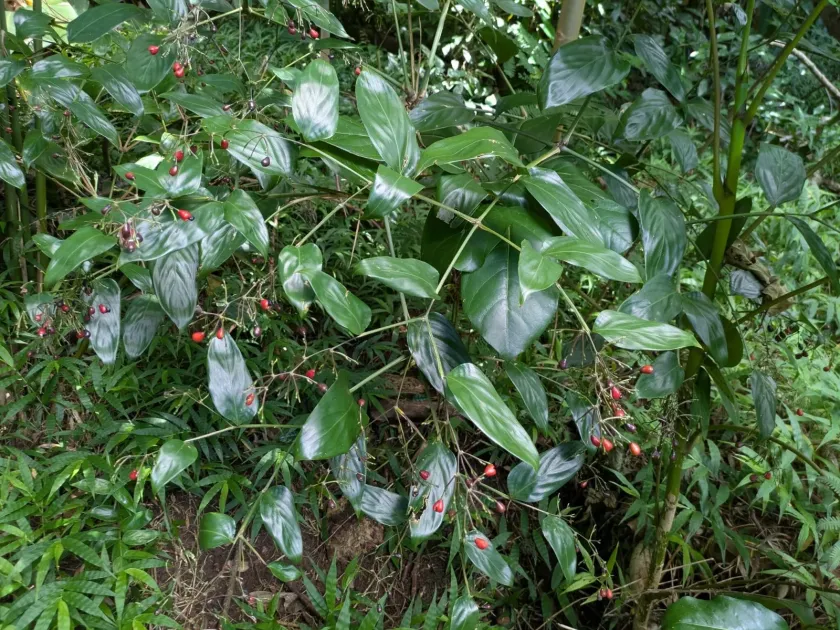
Description
Growing requirements
Stromanthe tonckat is a perennial herbaceous plant belonging to the Marantaceae family. Originating from the tropical rainforests of South and Central America, it naturally thrives in shaded, high-humidity environments where the forest canopy provides filtered sunlight.
In terms of cultivation, this species requires a stable temperature range between 20°C and 25°C. It is particularly sensitive to cold drafts and rapid temperature fluctuations, which can lead to stress and leaf necrosis if not properly managed in a controlled indoor environment.
The soil requirements for Stromanthe tonckat involve a light, well-draining substrate with a slightly acidic pH. A mix of peat-based potting soil, perlite, and bark is ideal for maintaining the necessary moisture levels while preventing root rot caused by stagnant water.
Humidity is a paramount factor for the successful growth of this tropical culture. Growers should aim for humidity levels above 60%, often requiring regular misting or the use of automated humidification systems to keep the foliage vibrant and healthy.
The economic and ornamental utility of Stromanthe tonckat is primarily centered on interior landscaping. Due to its striking foliage, it is a popular choice for botanical collections and interior design projects that require high-impact ornamental plants for shaded areas.
Main diseases and pests
Spider mites are the most significant pest threat to Stromanthe tonckat, particularly in dry indoor environments. These pests feed on the underside of leaves, causing yellowing and webbing, which necessitates regular inspection and increased humidity.
Scale insects can also colonize the stalks and undersides of leaves. Early detection is crucial, and management often involves mechanical removal combined with horticultural oils or systematic insecticides suited for tropical ornamentals.
Fungal leaf spot is a common ailment resulting from poor ventilation or overhead watering. These pathogens often thrive in stagnant air, emphasizing the importance of proper spacing between plants and keeping foliage dry during evening hours.
Root rot, driven by overwatering or poor soil drainage, poses a lethal threat to the plant's vascular system. If symptoms such as limp stems or darkening leaf margins appear, repotting into fresh, airy substrate is often the only corrective measure.
To ensure long-term health, a integrated pest management approach should be adopted. This includes quarantine protocols for new plants and consistent monitoring to prevent the spread of diseases within a collection of tropical indoor crops.