
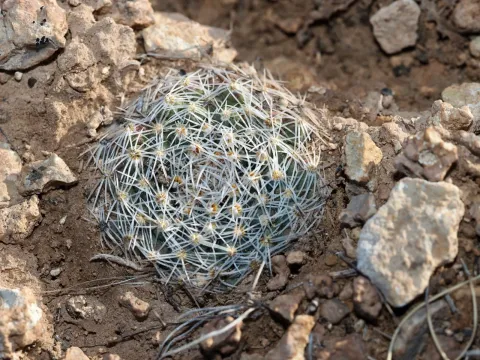
Pediocactus
Pediocactus
Sowing Pediocactus seeds is best performed in the early spring as daylight hours increase. March and April are considered optimal months, allowing the seedlings to establish themselves before the winter dormancy.
What the section contains


Pediocactus
Use a light, sterile substrate with a high percentage of coarse sand or grit. The seeds should be pressed lightly into the surface of the soil rather than buried deeply to ensure adequate light exposure for germination.
Maintaining constant humidity and a temperature range of 20–25 degrees Celsius is essential. Containers should be covered with glass or film to create a greenhouse effect, provided they are ventilated daily.
Germination of Pediocactus can be erratic and slow, sometimes taking several months. It is vital to ensure the substrate does not dry out completely while the seeds are in the process of sprouting.
Pricking out the seedlings should only occur once they have grown sufficiently and developed a robust structure. Gentle handling is required during the transplanting phase to avoid damaging the sensitive roots.
Pediocactus species are among the most demanding cacti in cultivation, originating from the arid environments of North America. In their natural habitat, they survive extreme daily temperature fluctuations.
The most important requirement is excellent drainage, as these plants are extremely prone to root rot. The soil mix should be predominantly mineral, consisting of gravel, sand, and minimal organic matter.
During the growing season, they require bright sunlight and good airflow. Intense light helps maintain the natural, compact form of the stem and encourages the development of strong, characteristic spines.
Winter dormancy should occur in cool, dry conditions with temperatures between 0 and 10 degrees Celsius. This cold period is absolutely critical to stimulate the blooming cycle in the following spring.
Watering must be strictly controlled; the substrate should dry out completely between waterings. Excess moisture, especially combined with low temperatures, is fatal to the plant's delicate root system.
Fungal infections caused by excess moisture are the primary threat to Pediocactus. Rotting at the root crown is the most common cause of loss for these species in private collections.
Pests such as mealybugs can infest the plants, hiding between the ribs and within the areoles. Regular inspection of the cacti allows for early detection and immediate action against these insects.
Spider mites are another major threat, particularly in environments with poor air circulation and low humidity. Their activity is marked by small, light-colored spots on the skin of the cactus.
Systemic insecticides should be used to combat pest infestations, always following the manufacturer's recommendations. Care must be taken not to overdose, as this can cause chemical burns on the epidermis.
Preventive measures include maintaining sanitary conditions, using sterilized soil mixes, and adhering to strict watering schedules. Infected plants should be isolated from the main collection immediately.